
By Gina Horan
Florida Gopher Tortoise Assessment Highlights Conservation Needs








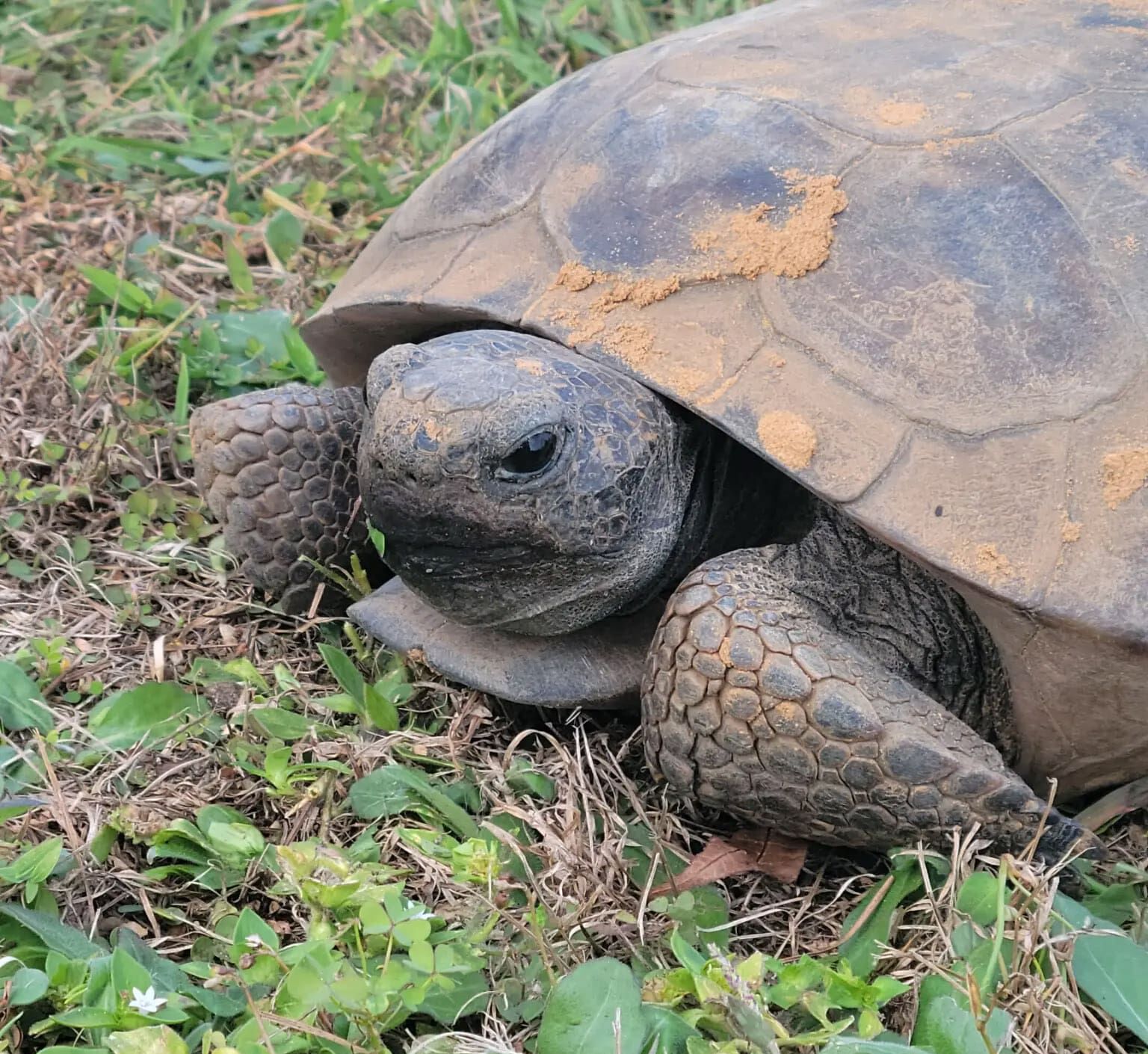
For many rural Central Florida residents, the gopher tortoise is a familiar sight.
They wander across sandy driveways, graze in open fields and disappear into burrows beneath pine trees and scrub habitat. While they often go unnoticed, the iconic reptile is receiving renewed attention after a recent global conservation assessment classified the species as critically endangered.
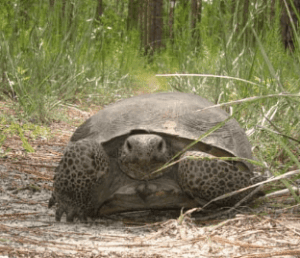
The International Union for Conservation of Nature recently updated the gopher tortoise’s global status, citing habitat loss, disease and fragmented populations as ongoing threats. The change does not affect the tortoise’s legal status in Florida, where it remains listed as a threatened species and continues to be protected under state law.
The gopher tortoise is considered a keystone species because its burrows provide shelter for more than 350 other animals, including frogs, snakes, rabbits, owls and insects. Some species rely almost entirely on those burrows for protection from predators, wildfires and extreme temperatures.
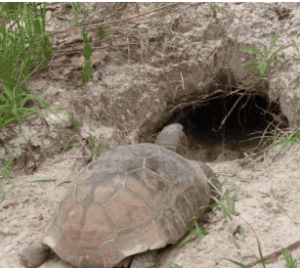
As Central Florida continues to grow, wildlife officials and conservation groups say protecting the tortoise’s habitat has become increasingly important. Gopher tortoises thrive in dry, sandy areas with open vegetation, but those habitats have steadily declined as development has expanded.
“It’s important to follow the law and understand that the Gopher Tortoise is a protected species,” says Dale Barefoot of the Florida Fish and Wildlife Conservation Commission (FWC).
“We have a conservation program and contact information so we can provide the answer to any questions about permits, regulations or habitat.”
According to the FWC, if you spot a gopher tortoise, the best thing to do is simply give it space and let it continue on its way. Never block or disturb a burrow or attempt to relocate the animal, as tortoises spend much of their lives in the same home territory.
If a tortoise is crossing a road and it is safe to help, move it only in the direction it was already traveling and keep it close to the ground. Taking it somewhere else can prevent it from finding its way back to its burrow. If you find an injured tortoise or discover a damaged burrow, contact the Florida Fish and Wildlife Conservation Commission or a licensed wildlife rehabilitator for assistance.
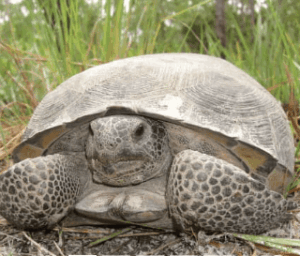
Many residents in Lake and Sumter counties are fortunate enough to see gopher tortoises on their property or along rural roads. The new conservation assessment is a reminder that while the slow-moving reptiles may seem like an everyday part of Florida life, they play an important role in the state’s ecosystem.
For more information about the Gopher Tortoise Conservation Program: 850.921.1030
Permitting/Program Assistant: 850.921.1031
Photos: FWC public archives & Gina Horan
























Gina moved to Central Florida from the San Francisco Bay Area in 2021. She holds a degree in linguistics and has worked as a fashion editor, photo stylist, lifestyle columnist and food writer since 1995. She later covered travel, events, restaurants, music festivals and sports throughout Northern California, including work as a morning show host with KSAN radio and food critic for KRON Bay TV. A veteran bartender, she has worked in hospitality on and off since high school. Gina joined Akers Media in 2022 and is currently the Food and Lifestyle Editor. Her passions include travel, road trips, history books and podcasts, tasting menus and arriving in a new city without a map.