
By Gina Horan
Historic Royal Community Preserves 150 Years of Black History








As communities across the country commemorate Juneteenth, one of Florida’s most remarkable connections to emancipation sits quietly just outside Wildwood.
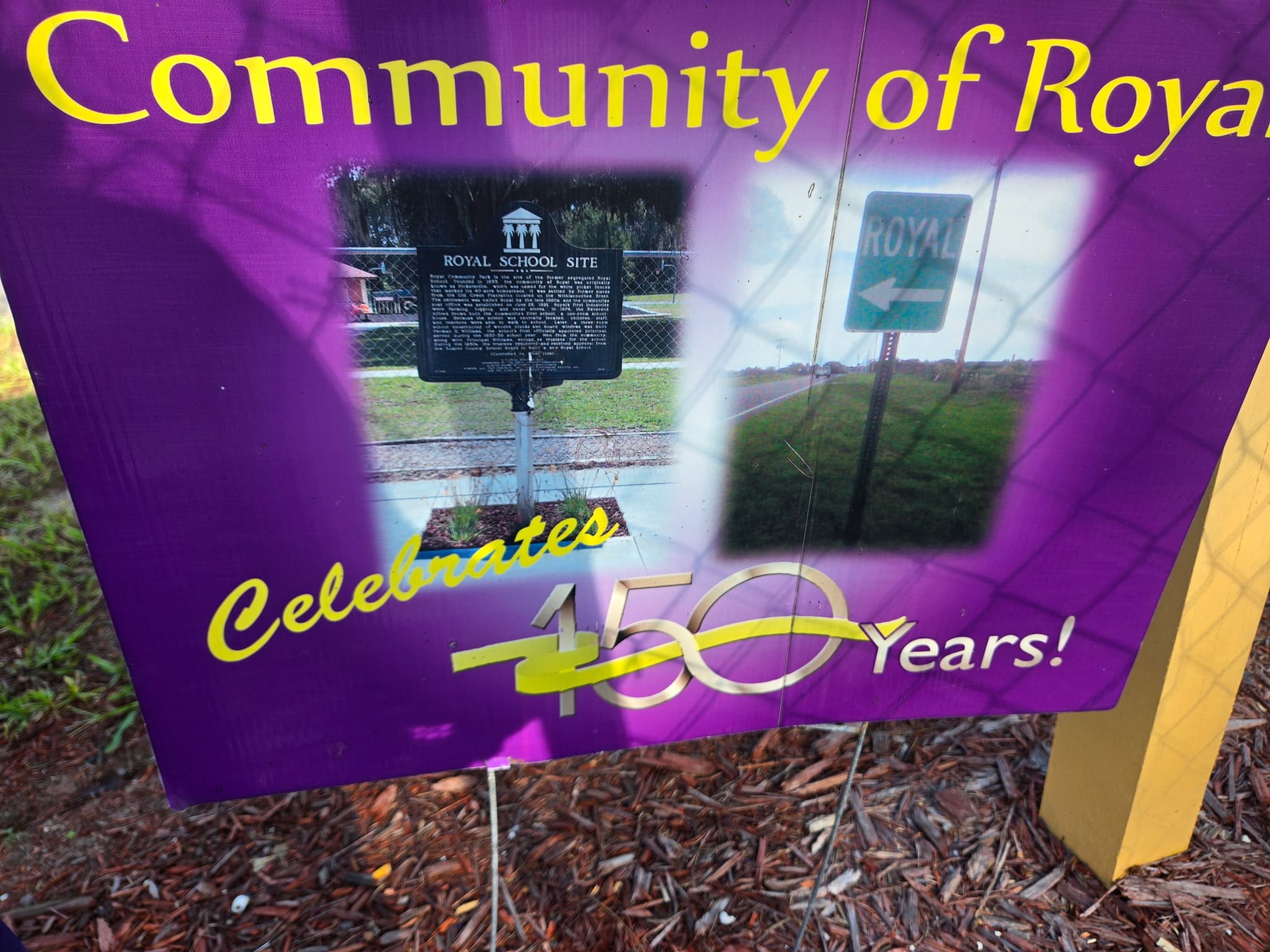
Founded by formerly enslaved people after the Civil War, Royal stands as one of the state’s oldest historically Black communities and one of the few remaining places where descendants of the original settlers still live on land passed down through generations.
Juneteenth marks June 19, 1865, the day Union troops arrived in Galveston, Texas, and informed enslaved people they were free — more than two years after President Abraham Lincoln signed the Emancipation Proclamation. The holiday has become a national observance of freedom, resilience and African American history.
In Royal, that history is not confined to museums or textbooks.
“My forefathers and mothers kept the land in order to pass it down so that we could have intergenerational wealth,” Beverly Steele says. “We’re talking about not just Royal’s history, we’re talking about a nation’s history,” Beverly says.
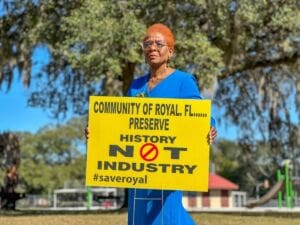
The community traces its roots to the years following emancipation, when freedmen established homes, churches and farms in what was then rural Central Florida. Families worked the land, built institutions and created a self-sustaining community despite the challenges of Reconstruction and the decades that followed.
For many residents, Royal represents more than a place on a map. It is a living link to the determination of those who transformed freedom into opportunity and laid the foundation for future generations.
Earlier this year Royal was added to the National Register of Historic Places, recognizing its significance in Florida’s history and the nation’s broader story of emancipation and settlement. The designation helps ensure that the legacy of Royal’s founders will not be forgotten as development continues to reshape much of Central Florida.
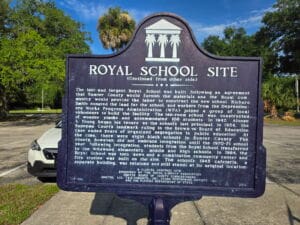
While Juneteenth celebrations often focus on national events, Royal offers a local reminder that the struggle for freedom and equality unfolded in communities across the country, including right here in Lake and Sumter counties.
The settlement’s churches, family cemeteries and historic homes stand as enduring symbols of perseverance and faith — evidence of what freed men and women accomplished in the years after slavery ended, building lives, raising families and creating a community that still exists more than 150 years later.

Janice Rivers grew up in Royal, graduated high school in 1970 and later moved to Orlando where she became a minister, poet and community advocate. She has spent years working to preserve and promote Royal’s history.
“Royal needs to have its place in history,” Janice says.
As Juneteenth invites reflection on the meaning of freedom, Royal provides a powerful example of how that freedom was put into practice — a story of survival, self-determination and the enduring strength of family and community.
**Royal is one of Florida’s oldest African American communities and made up of 40 acres and 80 acres parcels held from General Sherman’s 40 acres and a mule rule #15. If you wish to book a historic tour: 352.748.0260.
























Gina moved to Central Florida from the San Francisco Bay Area in 2021. She holds a degree in linguistics and has worked as a fashion editor, photo stylist, lifestyle columnist and food writer since 1995. She later covered travel, events, restaurants, music festivals and sports throughout Northern California, including work as a morning show host with KSAN radio and food critic for KRON Bay TV. A veteran bartender, she has worked in hospitality on and off since high school. Gina joined Akers Media in 2022 and is currently the Food and Lifestyle Editor. Her passions include travel, road trips, history books and podcasts, tasting menus and arriving in a new city without a map.