
August 31, 2026
The Longevity Blueprint: Leading Experts Share Strategies to Maximize Your Health

By Akers Editorial
The Longevity Blueprint: Leading Experts Share Strategies to Maximize Your Health








20-39
Habits you build can shape how long and how well you live.
Most people in their 20s and 30s aren’t thinking about longevity. They’re focused on building careers, paying bills, raising families or simply figuring out who they want to become.
But according to local experts, those foundational years are when lifelong habits take root. The choices you make in your 20s and 30s, from how you care for your body to how you manage stress, can have lasting effects on your physical, emotional and mental well-being for decades to come.
Prevention Over Treatment
Longevity isn’t about waiting until something goes wrong; it’s about building healthy habits before you need them.
While many routine screenings aren’t recommended before age 40, Dr. Maen Hussein, director of Value-Based Care for Florida Cancer Specialists & Research Institute, says younger adults shouldn’t assume they’re too young to think about prevention.
Knowing your family’s medical history could warrant screenings years earlier than usually recommended.
“If there is a significant family history of cancer or other diseases, then they need to have some form of screening on a regular basis,” Hussein says.
Living under Florida’s sun brings another consideration: skin cancer can appear at any age. Hussein encourages younger adults to regularly examine their skin and act promptly if any moles change appearance.
“It’s a good habit to have,” he says. “Pay attention. If you feel like a mole is changing in color or consistency or shape, make sure you seek medical advice.”
But prevention extends beyond visits to your doctor. Regular exercise, maintaining a healthy body weight, avoiding tobacco and limiting alcohol all play a role in reducing long-term health risks.
“Exercise actually can prevent cancer,” Hussein says. “There are lots of factors to being healthy and avoiding disease.”
He also emphasizes moderation. Rather than chasing the latest diet or relying on supplements alone, focus on eating nutritious foods and maintaining a healthy weight. That doesn’t mean just avoiding obesity, but avoiding becoming underweight as well.
When it comes to vitamins, Hussein says food should come first. Supplements have not been shown to improve survival, unless you’re deficient in a particular nutrient. Fruits, vegetables and whole foods allow the body to absorb nutrients naturally, making them a better long-term investment than a cabinet full of pills.
“Your body is your temple,” Hussein says. “As much as possible, try to preserve it in a clean way.”
No Time? No Excuses
Simple ways to fit movement into your day—even when life is busy.
Trade Burnout for Balance
Success often means long workdays, financial pressures and growing responsibilities, but constantly running at full speed comes with a cost.
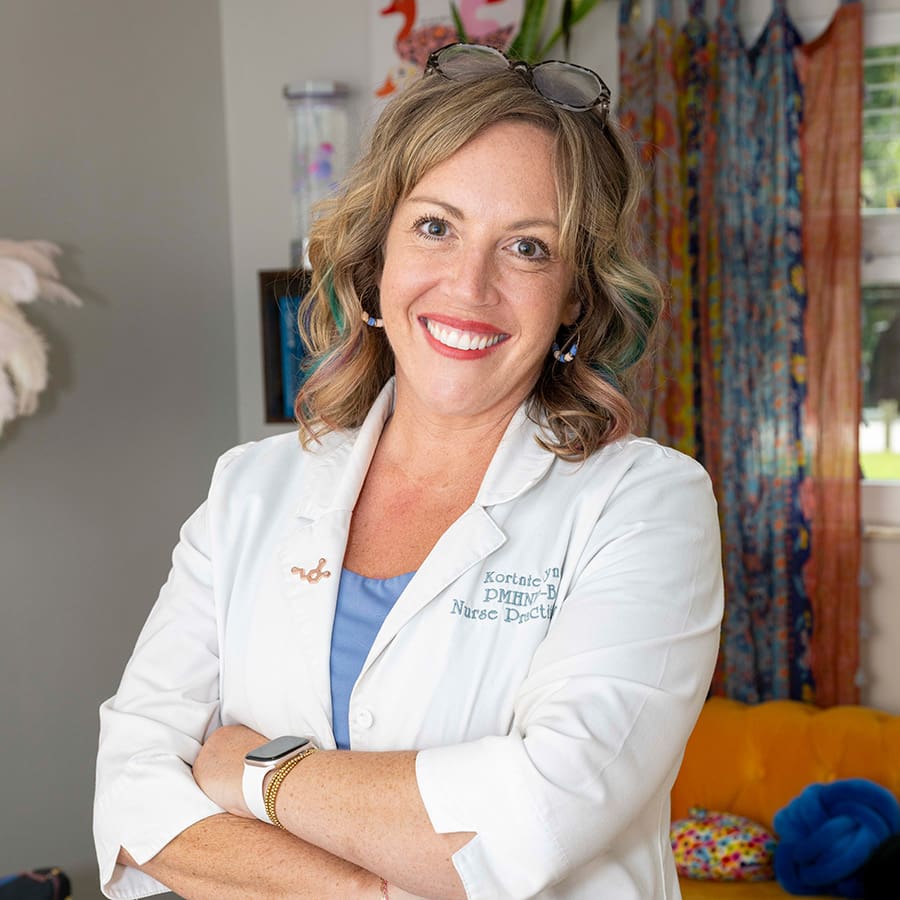
Kortnie Lynch, owner of Next Right Thing Behavioral Health and a psychiatric mental health nurse practitioner, says chronic stress is one of the biggest threats to long-term health.
“If you are baseline high in your cortisol levels, then that does a number on your body and you might not necessarily even feel it,” she says.
The effects of chronic stress don’t always show up immediately. Over time, however, elevated stress hormones may contribute to cardiovascular disease and other health problems later in life.
Kortnie says people should prioritize their health instead of staying busy and wearing exhaustion like a badge of honor.
“Make self-care a priority so that you can extend your life,” she says.
Kortnie says that balance—not perfection—should be your goal. Healthy routines become unhealthy when they become the only way to cope and are taken to the extreme.
Many addictions begin the same way. Rather than addressing the source of stress, people often turn to alcohol, drugs, gambling, excessive social media use or other habits to temporarily escape how they feel.
“You should build a life that you don’t want to escape,” Kortnie says.
Know Yourself
For National Certified Counselor and Certified Clinical Trauma Professional Alisha Casamona, founder of Red Bird Cottage and Farm, one of the greatest challenges facing today’s young adults isn’t physical; it’s about learning who they are.
“You have to develop identity outside of social media,” Alisha says.
She says the transition from the teenage years into adulthood can be confusing. People in their 20s are often balancing college, careers and relationships while trying to define themselves in a world that constantly tells them who they should be.
Social media only adds to that pressure.
“It normalizes a luxurious lifestyle and makes people think less of themselves if they aren’t that,” she says.
Alisha encourages young adults to spend time discovering what truly grounds them instead of comparing their life to someone else’s highlight reel. For Alisha, who regularly incorporates equine therapy at her practice, that’s always been her horses. For others, it may be the outdoors, creating art, volunteering or simply sitting quietly by one of the area’s lakes.
Kortnie agrees.
“Go enjoy your life and be out there doing life rather than watching life,” she says. “Get your feet in the grass.”
Even replacing 30 minutes of doom scrolling with time outside can have a significant impact on mood, focus and overall well-being.
Protect Your Peace
As life becomes more demanding, learning to establish healthy boundaries may be one of the most important skills you develop.
“Self-care isn’t an indulgence,” Alisha says. “It’s a necessity.”
She compares boundaries to a fence.
“It has a gate,” she says. “You get to decide when you open it for something or someone.”
Learning to say “no” doesn’t happen overnight. It’s often a skill that develops throughout your 20s and 30s as priorities begin to shift.
Alisha also encourages people to take inventory of their closest relationships. She often asks clients to make two lists: five people they know they can always call, and the people they would call if it was their last day on Earth. The exercise, she says, helps reveal which relationships deserve the greatest investment and often becomes the foundation for long-term emotional stability.
Ultimately, longevity isn’t built through one perfect diet, one supplement or one workout routine. It’s built one decision at a time. Prioritize your health, manage your stress, build meaningful relationships and find purpose outside a screen.
The foundation you build today will determine how well you live tomorrow.

40-59
Midlife is less about aging and more about preparing for what’s next.

The years between 40 and 59 often bring changes that can be difficult to ignore.
You may not bounce back as quickly as you once did. Energy levels may dip, it becomes harder to lose weight, and sleep isn’t as restful. Men may notice changes in stamina, recovery and sexual health, while women may face new challenges due to hormonal shifts.
It’s easy to blame everything on age, but healthcare providers say there is often more to the story.
Don’t Ignore Signals
For women, perimenopause can begin years before menopause itself, bringing symptoms that extend far beyond changes in menstrual cycles.
“You start having the hot flashes, memory fog, the decrease in libido because your body is still producing the hormones,” says Amy Ester, APRN, owner of Anchored in Health in Oxford.
As women transition into menopause, declining hormone levels can affect multiple body systems.
“We see higher cases of stroke, heart disease and bone issues because those hormones not being present anymore affect all of those different body systems,” Amy says.
Men and women alike may also start experiencing fatigue, sleep issues, digestive concerns, chronic pain, weight gain and changes in sexual health, often signs that it’s time to take a closer look at what’s happening inside the body.
Look Beyond Symptoms
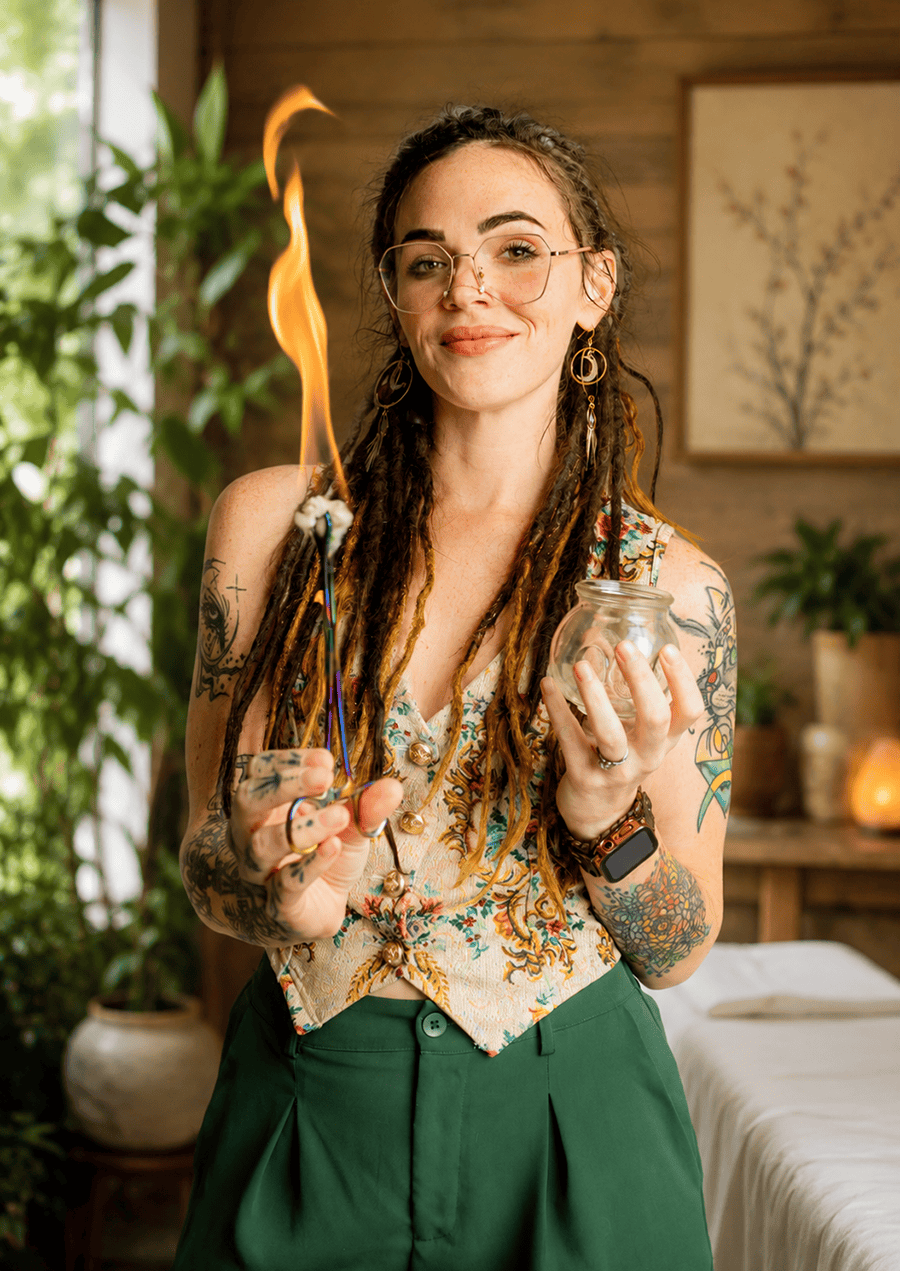
Dr. Kassie Sorokach of Divine Acupuncture & Wellness and Amy, approach healthcare from different perspectives, but they share a similar philosophy: lasting health improvements begin by identifying the underlying cause.
“You have to dig into the root cause of what’s causing it and then try to see if there’s a way to fix it,” Amy says.
For some women, vaginal dryness or painful intimacy may be related to hormonal changes. Estrogen can be used to treat that dryness. Urinary incontinence may stem from weakened pelvic floor muscles, particularly after childbirth. Amy says pelvic floor therapy can often help strengthen those muscles and improve symptoms.
For men, erectile dysfunction may be linked to diabetes, circulation problems, other underlying conditions or medications.
Sorokach sees similar patterns in her practice.
“For people who are dealing with a lot of anxiety or not sleeping well, it may not even necessarily be a hormone issue,” she says.
Both providers encourage patients to consider how stress, nutrition, sleep and lifestyle habits may be contributing to symptoms people assume are simply part of aging.
“Just trying to change little things here and there makes such a huge, huge difference,” Sorokach says.
Aim for Prevention
Both providers agree that prevention is one of the most powerful tools available to adults in their 40s and 50s.
Routine screenings can help identify potential health concerns long before symptoms appear. Blood pressure, cholesterol, diabetes, colon cancer and breast cancer screenings all play important roles in early detection.
“Screenings can help us catch things sooner so we can start treatments faster,” Amy says. “In order to maintain healthy bone density, a healthy weight and lower our risk for cardiovascular disease, you have to focus on your lifestyle.”
Sorokach believes people who embrace healthy habits earlier are better equipped to handle setbacks.
“If we don’t take very good care of ourselves, we’re not eating well, we’re not resting appropriately and we’re letting ourselves get burnt out, then the time of menopause is going to be a lot harsher on us,” she says, as one example.
Midlife Squeeze
The 40-to-59 age range comes with unique pressures for many adults. Careers, children, aging parents and financial responsibilities often compete for time and attention.
“The caretaker, the one who’s taking care of their parents and taking care of their children, they don’t get a moment to rest,” Sorokach says.
She often sees patients experiencing fatigue, anxiety, insomnia and other quality-of-life concerns after spending years putting everyone else’s needs before their own.
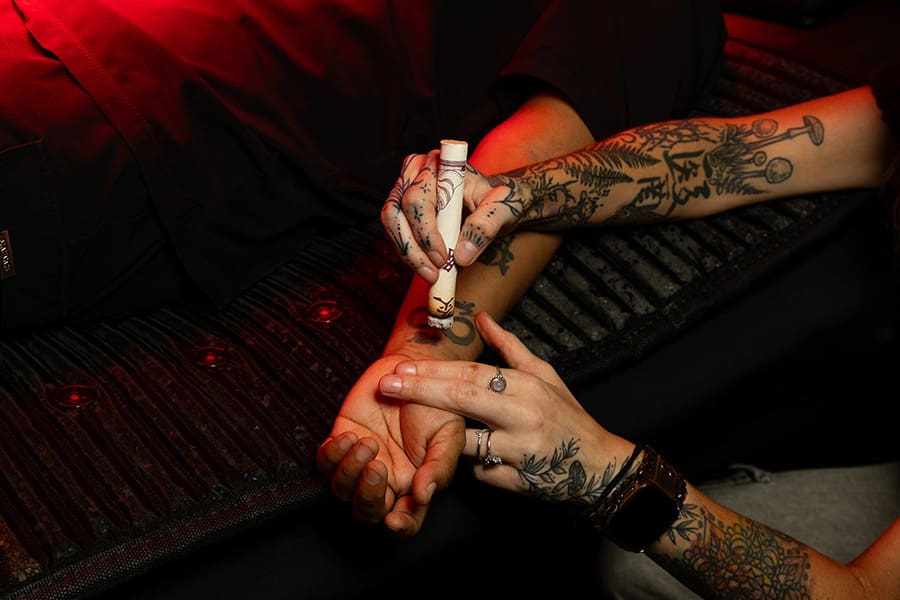
Sorokach incorporates a variety of Chinese medicine techniques, including acupuncture and herbal medicine combinations, to help patients manage stress.
“Acupuncture is great for everything,” she says. “It helps to balance the body in so many different senses.”
She also encourages meditation, yoga, tai chi, journaling and grounding, which can be as simple as spending time outdoors with bare feet on grass or sand. Acupressure can help relieve stress, reduce pain and improve circulation by targeting specific energy channels (meridians) in the body.
“There is a point near the top of the ear called ‘Shen Men’ and it’s like the calming point,” she says.
Start Small
While there is no one-size-fits-all solution, Sorokach believes many people can benefit from simple daily habits.
“Warm water with ginger or lemon is a great way to start the morning,” she says. “Just order a cup of hot water with your meal and start with the hot water first or cut out the iced coffee. You will notice a huge difference.”
In traditional Chinese medicine, eating and drinking warm items is vital to protect your “digestive fire” and support the spleen and stomach.
She also encourages regular movement, adequate sleep and nourishing foods. Rather than focusing solely on calories, she emphasizes foods that support the body’s overall function and energy levels.
She also says that people dealing with allergies, respiratory concerns or stress may benefit from a Himalayan salt room, which she has incorporated into her practice.
“It’s kind of like going to the beach without the heat of the beach,” she says.
For patients experiencing chronic pain, low back pain or circulation issues, she recommends therapies such as acupuncture or StemWave therapy and lifestyle changes.
Conversation Matters
Perhaps the most important message for adults in this age group is not to suffer in silence.
“The person’s relationship with their provider is important,” Amy says.
Many conditions that people assume are part of aging can be improved through treatment, lifestyle changes or a combination of both.
Pay attention to your body, seek help when needed and talk openly about symptoms.
“As a provider, you shouldn’t have to pry this stuff out of your patients,” Amy says. “The goal is to work together to maintain your health, prevent disease progression and treat whatever we can.”

60+
Experts say movement, purpose and community are the keys to living well after 60.
Look around, the proof of vibrant life is everywhere.
Today’s active seniors are dancing in the town squares, stretching through water aerobics, playing pickleball, volunteering, laughing around mahjong tables and showing up for morning coffee with a circle of friends.
Some of it is genetic. Some of it is luck or socio-economic status. But longevity really comes down to staying social, remaining positive, being in motion and refusing to shut down.
“Longevity isn’t just about adding years to life,” says Mica Gilles, campus executive director at Sumter Senior Living in The Villages. “It’s about adding life to those years.”
Mica says that the healthiest older adults she knows aren’t necessarily the ones with the fewest medical conditions. They’re the ones who continue to move, build relationships, find purpose and wake up each day with something to look forward to.
Find a Sense of Purpose
Purpose looks different for everyone. For some, it’s volunteering. For others, it’s joining a fitness class, learning a new hobby or simply committing to a daily walk.
The common thread isn’t perfection; it’s staying committed to tiny positive habits.
“Consistency over perfection is the goal,” says Hope Stickley, senior rehab director at Legacy Healthcare in The Villages. “The decisions you make today are an investment in your tomorrow and it’s much better to be proactive than reactive.”
Research supports what Hope sees every day. According to the Centers for Disease Control and Prevention, adults 65 and older should aim for at least 150 minutes of moderate physical activity each week, along with strength and balance exercises.
The National Institute on Aging reports that regular movement helps older adults maintain independence, lowers the risk of chronic disease, improves brain health and reduces the risk of falls. One study found adults averaging 8,000 steps a day had a 51 percent lower risk of death from all causes than those averaging 4,000.
Regular physical activity can slow brain aging by up to 10 years. And studies show that exercise helps protect the brain and lowers the risk of cardiovascular disease, stroke, Type 2 diabetes and several forms of cancer.

The Science of Longevity
Every Movement Matters
“Each movement, no matter how small, has the power to improve strength, balance, confidence and quality of life,” says Hansi Morales, life enrichment director at Sumter Senior Living.
Hansi specializes in seated exercise, which proves that movement doesn’t have to involve running or lifting heavy weights to make a difference. Seated workouts improve muscle strength, flexibility, circulation, coordination and endurance while reducing the risk of falls.
Among the movements she teaches are seated marches to strengthen the legs and hips to improve flexibility and coordination throughout the body. She also uses arm-opening exercises that improve posture, strengthen the upper body and make breathing easier.
The Power of Community
Overall, local experts Mica, Hope and Hansi agree that movement is only part of the equation.
People thriving after 60 aren’t waiting for permission to feel well; they’re making small decisions every day to keep moving, stay connected and keep showing up. More than genetics or luck, that quiet commitment may be the real secret to longevity.
“Even small daily interactions and activities can improve mood and enrich life,” Hope says. “We sometimes underestimate the power of community.”
“Purpose, laughter, friendship and belonging are just as important as exercise in helping people age well.”
Photos: Cindy Peterson, Nicole Hamel and Provided