
August 31, 2026
Innovative Orthopedic Treatments are Changing How Shoulder and Knee Injuries Heal

By Akers Editorial
Innovative Orthopedic Treatments are Changing How Shoulder and Knee Injuries Heal








Orthopedics Expert
Alfred Cook, Jr., MD
Meet the Expert: Alfred Cook, Jr., MD is a board-certified orthopedic surgeon and founder of the Advanced Orthopedics Institute. A leading expert in the reverse total shoulder procedure, Dr. Cook specializes in shoulder reconstruction, cartilage regeneration and total joint replacement.
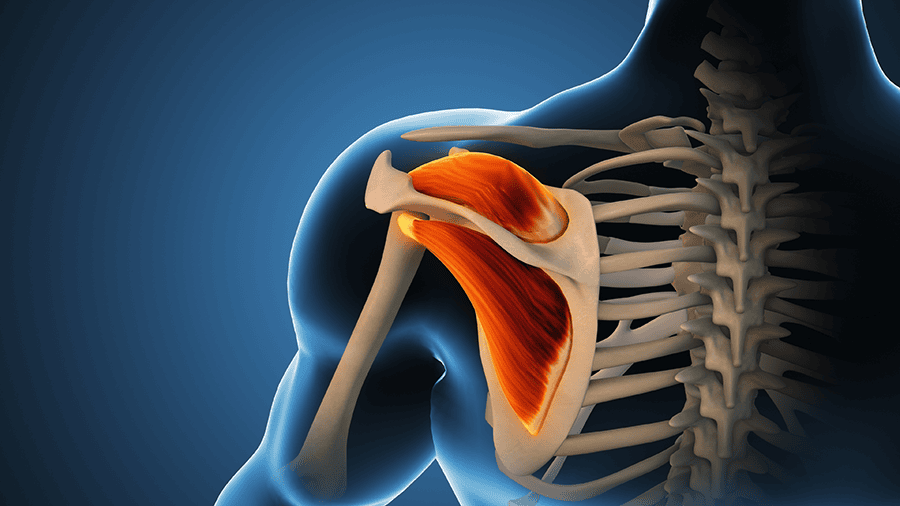
What is new with shoulder rotator cuff repair?
A: We are looking at the biologic approach to problems. Instead of putting metal in the body, whenever possible we’re trying to use biology to cure disease. For the last two years, we’ve been using the Regeneten patch and have had excellent outcomes in pain relief, mobility and diminished risk for re-tear after surgery. The Regeneten patch is a collagen-based bio inductive implant applied to the rotator cuff once repair has been performed. The patch reinforces the repair as tissue grows into it and creates a healing environment.
What is the latest in knee cartilage regeneration?
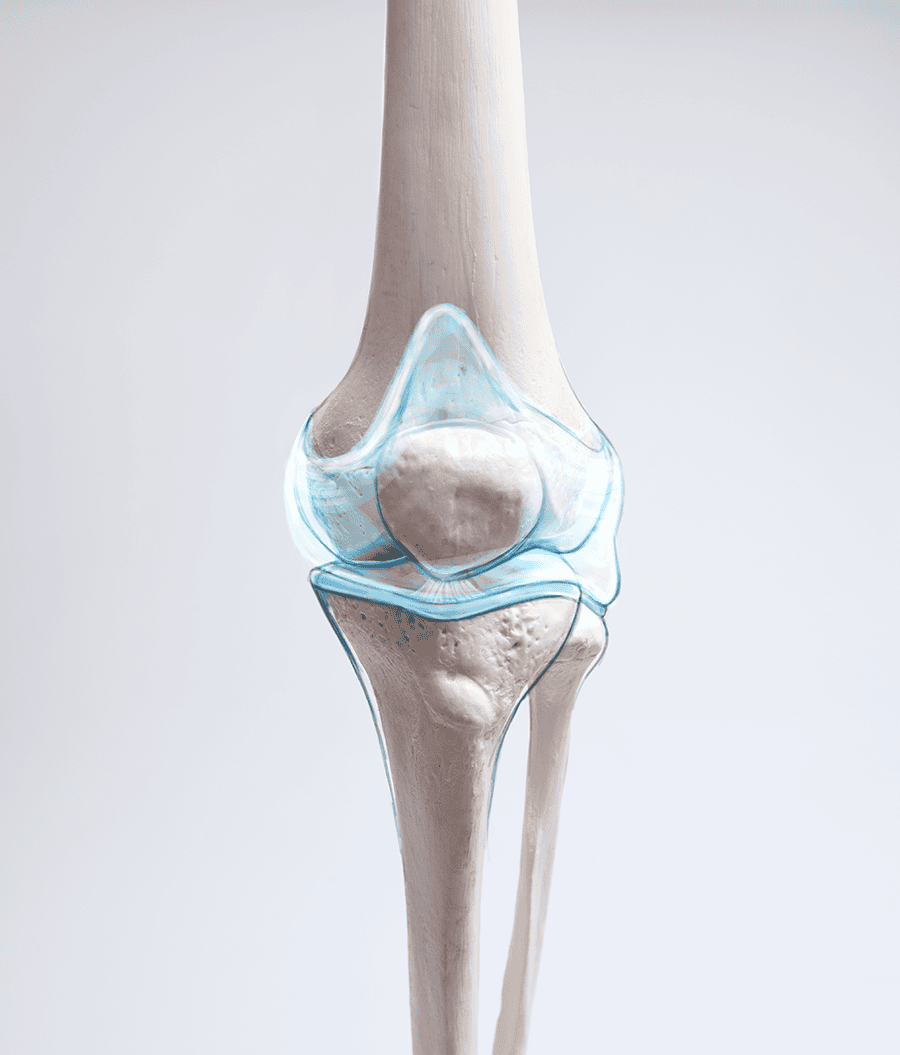
A: Beginning this year, we’ve been using the CartiHeal Agili-C implant, which now has FDA approval and five years of data behind it. The procedure is specifically designed to repair damaged knee cartilage and bone. Most of the technology that exists and the way procedures are performed are more invasive or require multiple surgeries. CartiHeal is a one-step process.
We remove damaged cartilage from the knee and place the CartiHeal in that lesion like a plug. This unique implant is made from aragonite, which is derived from the exoskeletons of coral. Because the implant material is porous, it acts like a support structure for new tissue to grow and promotes the natural healing process. The implant is gradually absorbed by the body and replaced with new cartilage and bone tissue over a period of 12 to 24 months.
Patients have done well with the CartiHeal and report significant relief from pain and improved joint function. We’ve also found it helps decrease the advance of arthritis in the knee. The goal is to rejuvenate and replenish lost cartilage, but we’re also trying to short-circuit the pathway for arthritis and believe this will be a realistic way for some patients to avoid knee replacement in the future.
To learn more about the technology and see if the procedure can help you, call to make an appointment for evaluation. After doing an MRI, we have an idea if a patient is a good candidate for CartiHeal.

Advanced Orthopedics Institute
1400 North U.S. Hwy 441, Suite 552, The Villages | 352.751.2862 | goaoi.com