
By Akers Editorial
Legacy Businesses Stand Strong Through Decades of Change








Generations of hardworking families have shaped Lake and Sumter counties with community-built enterprises and small businesses that stood the test of time.
These legacy businesses have remained pillars of trust, reliability and service in a world where companies come and go. Their stories reflect the resilience, pride and continuity that make our community unique.
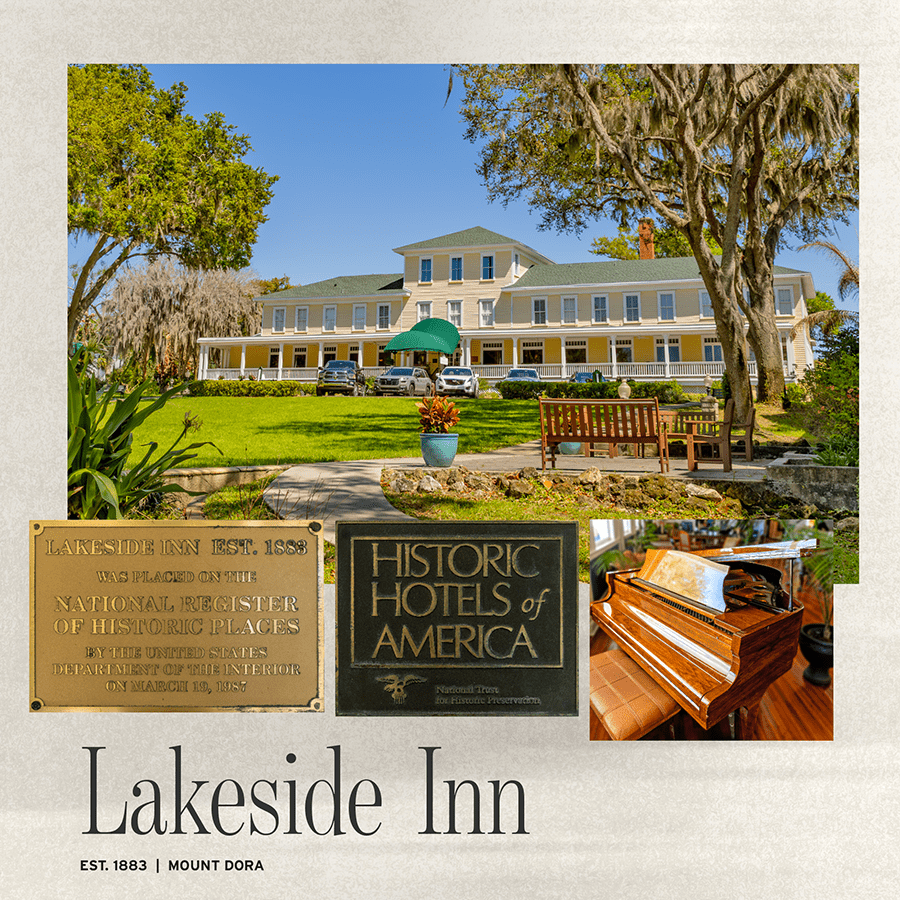
Long before Mount Dora became known for festivals, boutiques and weekend getaways, travelers arrived by steamboat to a small lakeside hotel overlooking Lake Dora.
That hotel still stands today.
Founded in 1883, Lakeside Inn is the oldest continuously operating hotel in Florida and, more than 140 years later, remains one of Mount Dora’s most recognizable landmarks. What began as a modest 10-room inn known as the Lake House maintained its Old Florida charm while gradually expanding by adding new buildings and guest rooms as tourism in Central Florida grew.
Today, the historic property includes 90 guest rooms, multiple dining venues, a lakefront pool and dock, and views that continue drawing visitors from across the country.
Lakeside Inn has welcomed notable guests, including President Calvin Coolidge and his wife, Grace, who spent a month at the inn in 1930 after leaving the White House. Guests can still book the Coolidge Room, which features a display honoring the former president’s stay.
Since purchasing the property in 2010, owners Jim and Alexandra Gunderson have focused on preserving the inn’s history while carefully restoring the aging landmark one project at a time. Jim oversees restoration efforts and historic preservation, while Alexandra has become known for the property’s lush gardens and landscaping.
“It’s always a living, breathing building,” says Dylan Gomez, the inn’s marketing and public relations manager. “When you have a building that’s more than 140 years old, there’s always something happening.”
Ongoing work includes restoring the dock, renovating guest rooms and preserving historic artifacts, postcards and memorabilia that tell the story of the inn and Mount Dora. A book documenting the history of Lakeside Inn is also in the works.
Despite its age, the inn continues evolving while holding tightly to the atmosphere that has made it special for generations.
“I truly think when you get here, it’s kind of like you step back in time,” Dylan says. “You just feel like it’s a simpler way of life.”
Locals gather at Tremain’s Tavern for piano sing-alongs. Visitors relax on the veranda overlooking the lake. Some arrive by boat, just as guests did more than a century ago.
Through every renovation, season and generation, Lakeside Inn has remained deeply tied to the identity of Mount Dora itself, proof that some places do more than survive history. They become part of it.

In 1883 A room at an inn averaged $2 per night
In 1883 Most homes lacked indoor plumbing, electricity or central heating

In 1883 A pound of coffee cost 35 cents
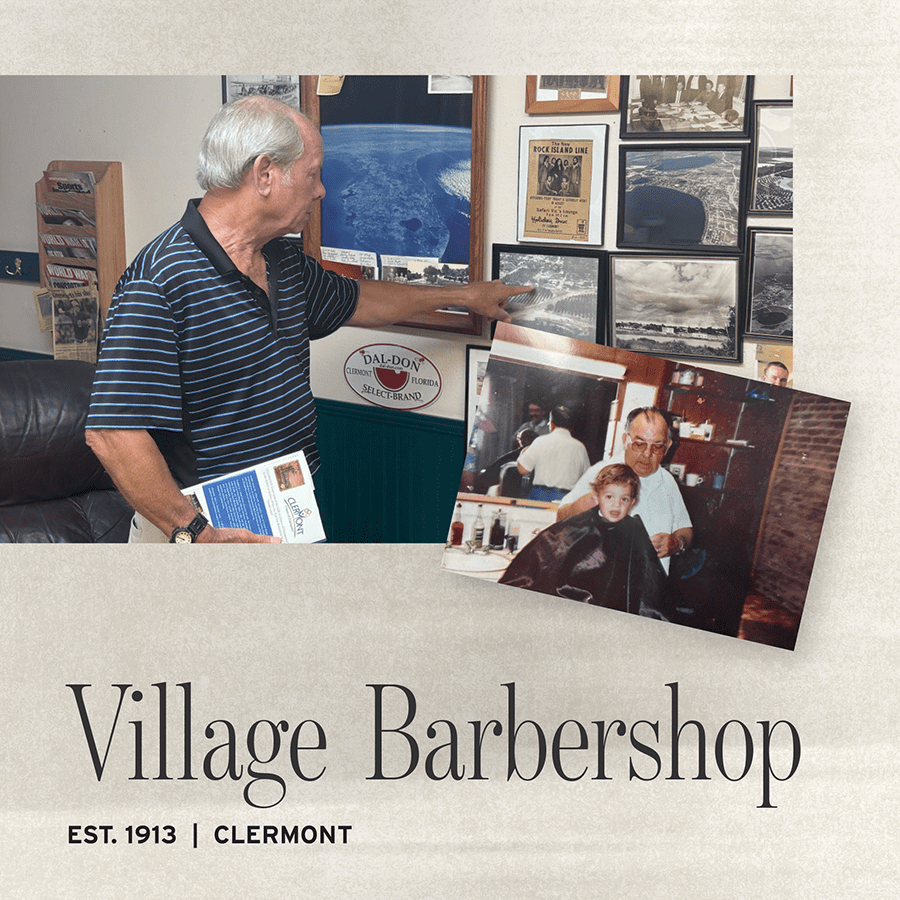
The Village Barbershop has been part of downtown Clermont’s story since 1913, a time when there were few barbers in South Lake County.
The shop, opened by Percy Seaver, offered more than haircuts. Customers could also take a bath in the earliest days.
Word spread and three barbers were working chairs by the 1920s.
Today, the shop still occupies a place in the heart of downtown, as well as in the hearts of long-time customers who swap generations of stories to the steady hum of clippers.
In 1982, Mike Hoskinson was looking for a place to rent a chair when he approached Bill Dawg, who purchased the shop from Percy for $5,000 in 1966.
“He made me buy the place,” Mike says with a laugh.
Mike has spent more than four decades continuing the legacy. In the 1980s, he rebuilt and expanded the shop and even built a two-story home tucked behind the historic storefront.
Longtime barber Denise Barnes has been part of the barbershop’s history for 30 years. She moved from Orlando to Clermont in the mid-1990s looking for a slower pace and still remembers her first conversation with Mike.
“He said, ‘I’ll leave the key in the mailbox by the front door. You can start on Monday.’”
Over the decades, the shop became a gathering place where generations of families shared stories and caught up on life. Denise says some customers have been coming to her for nearly three decades.
“People are actually shocked when you tell them that this place has been in business for way over 100 years,” she says.
Clermont’s past is preserved in old photos, yearbooks and newspaper clippings that line the walls. And while the city around it has changed dramatically, Village Barbershop remains one of downtown Clermont’s enduring fixtures.
“We all talk about the old days here,” Mike says.

In 1913 Cost of a haircut was 25 cents
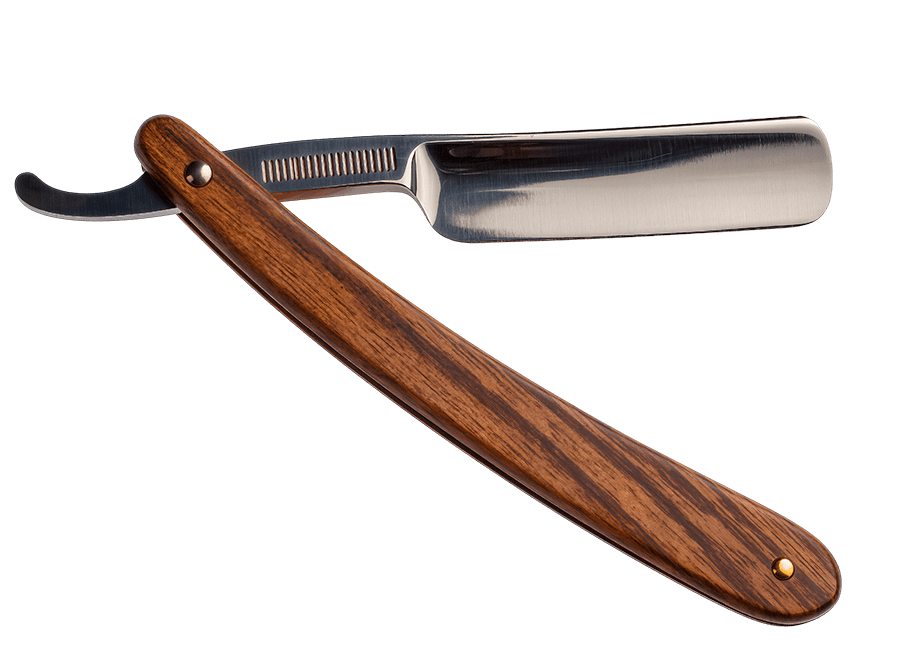
In 1913 Straight razors were standard and the cost of a shave was 10 cents
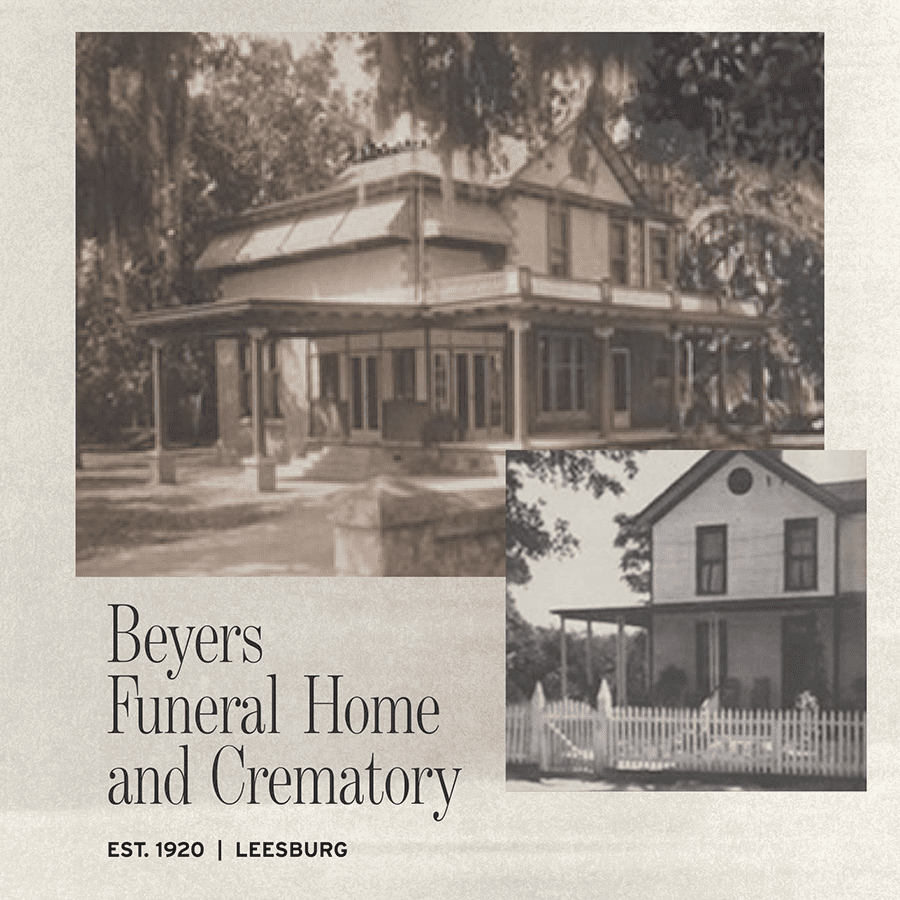
Beyers Funeral Home and Crematory has remained committed to personal relationships, community trust and caring for generations of Lake County families during life’s most difficult moments.
The business, founded in 1920 in Umatilla by Ivan E. Beyers, Sr. began during a much different era of Central Florida, when funeral directors were often called upon to handle a range of services.
For years, the Beyers family lived above the mortuary, receiving calls in the middle of the night and serving families whenever they were needed.
Ivan E. Beyers, Jr., who helped continue and expand the family legacy, oversaw the company’s move to Leesburg in 1931 and its eventual home on historic Main Street, where the business operates today under the leadership of his son, Roger Beyers.
The company modernized local funeral care by opening the area’s first standalone funeral chapel and later establishing the first crematory serving Lake and Sumter counties.
The business recently added a second crematorium to meet demand as cremation services continue rising sharply.
“Back in the day, cremation was probably about 15 percent of our business,” Roger says. “Now it’s around 65 percent.”
Society changes, but Beyers continues to be 100 percent about respect, intuition and thoughtful guidance.
“You have to have empathy and compassion and understand that there are many different situations,” Roger says. “If that isn’t part of your character, it won’t be the business for you.”
As corporate consolidation reshaped the funeral industry during the 1990s, Roger became a founding member of the Independent Funeral Directors of Florida, an organization created to support and protect family-owned funeral homes across the state.
Today, the business remains in the hands of the Beyers family, with great-grandson RJ continuing the legacy that began more than a century ago.
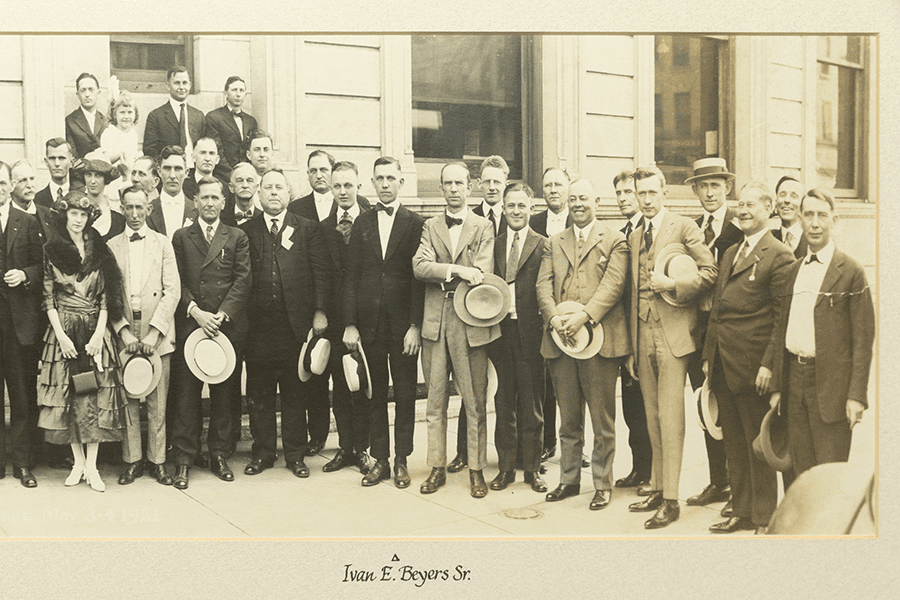
In 1920 Average funeral cost $150–$300

In 1920 More than 40 active burial grounds throughout the county

The Lake County Fair has grown from a small school fair into one of Florida’s longest-running fairs by drawing generations of families through agriculture, entertainment and community tradition since 1913. This past April marked the fair’s 105th year.
According to historical records, the original Lake County School Fair in Tavares began as a school fair showcasing student projects, agriculture and educational exhibits. By 1915, the fair was held in its own building in Tavares, which was promoted as the only school fair building in the United States.
World War I eventually impacted attendance and participation, but by 1921 the event evolved into what became recognized as the official beginning of today’s Lake County Fair in Eustis. Originally launched as a poultry show and Florida Sportsman’s Exposition, the fair steadily expanded over the decades into a larger countywide celebration.
Today, the fairgrounds on State Road 44 in Eustis look much different than the early fair tents and livestock barns of the past, but many traditions remain unchanged.
The annual fair still highlights Lake County’s agricultural roots through livestock shows, youth competitions and student participation from local 4-H and FFA programs. At the same time, modern attractions including midway rides, concerts, food vendors, games and entertainment continue drawing thousands of visitors each year.

In 1921 Fair admission was 25 cents

In 1921 Fair-style hot dog cost 5 cents

In 1921 A dairy cow cost $75

In 1921 A dozen eggs cost 45 cents

For more than a century, when pipes burst, water heaters failed or drains backed up, generations of Lake and Sumter county residents have known exactly who to call: Dunstan & Son Plumbing.
The Leesburg company founded in 1922 built its reputation the old-fashioned way — one service call, one handshake and one loyal customer at a time. In an era when family-run businesses are becoming increasingly rare, Dunstan & Son has remained a steady presence in the community for 104 years.
Owner John Snyder joined the company in 1979 as an 18-year-old high school senior and purchased the business in 1999. Today, the company maintains the kind of reputation that lasts generations by combining modern plumbing technology with an impressive level of customer service that’s hard to find.
Dunstan & Son operates 16 service trucks across Central Florida and handles more than 80 calls a day to fix everything from broken water heaters and emergency leaks at homes and businesses across Lake and Sumter counties.
The heart of the company hasn’t changed much over the decades. Many employees have been with the business for 20 years or more, creating a workplace that feels more like extended family than a company roster.
That consistency has helped make Dunstan & Son a familiar and trusted name throughout the region, earning generations of repeat customers and regular recognition in local “Best of the Best” polls.
More than a century after opening its doors, the company continues showing up when people need help most just as it’s always done.
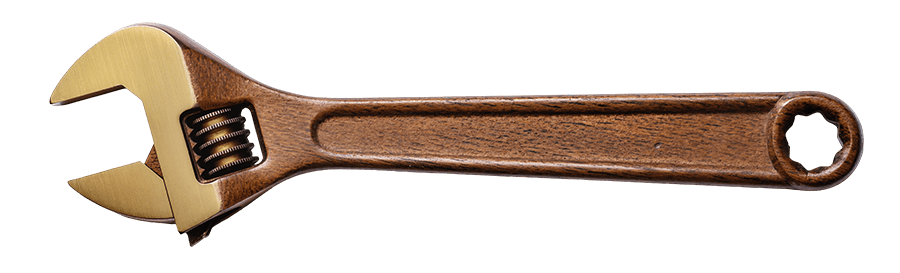
In 1922 House call from a plumber was $1-$3
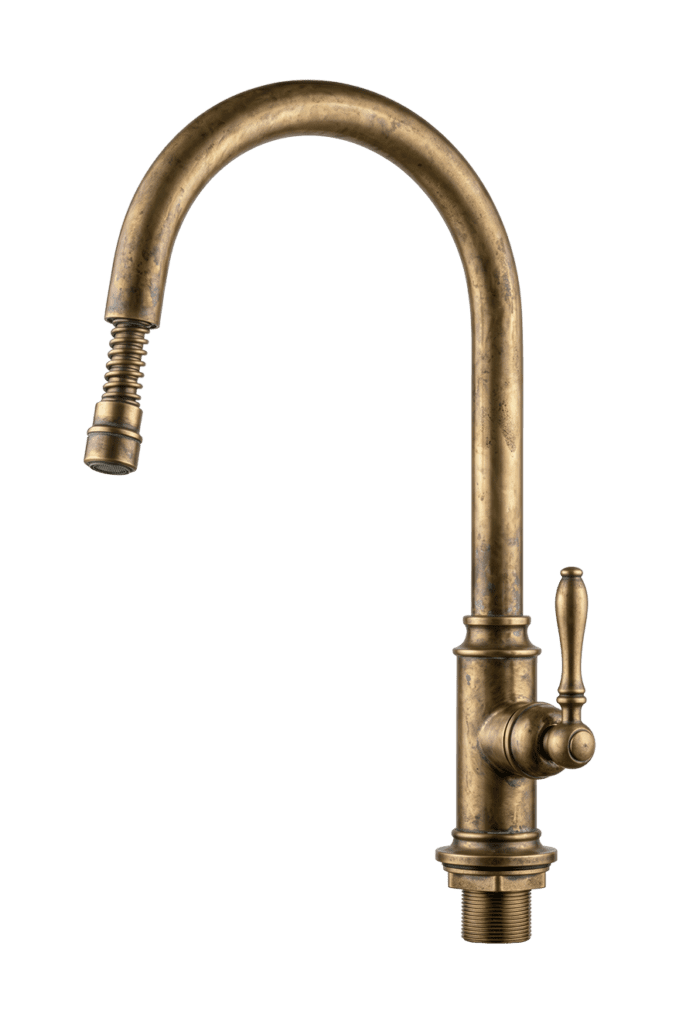
In 1922 Faucet cost around $3
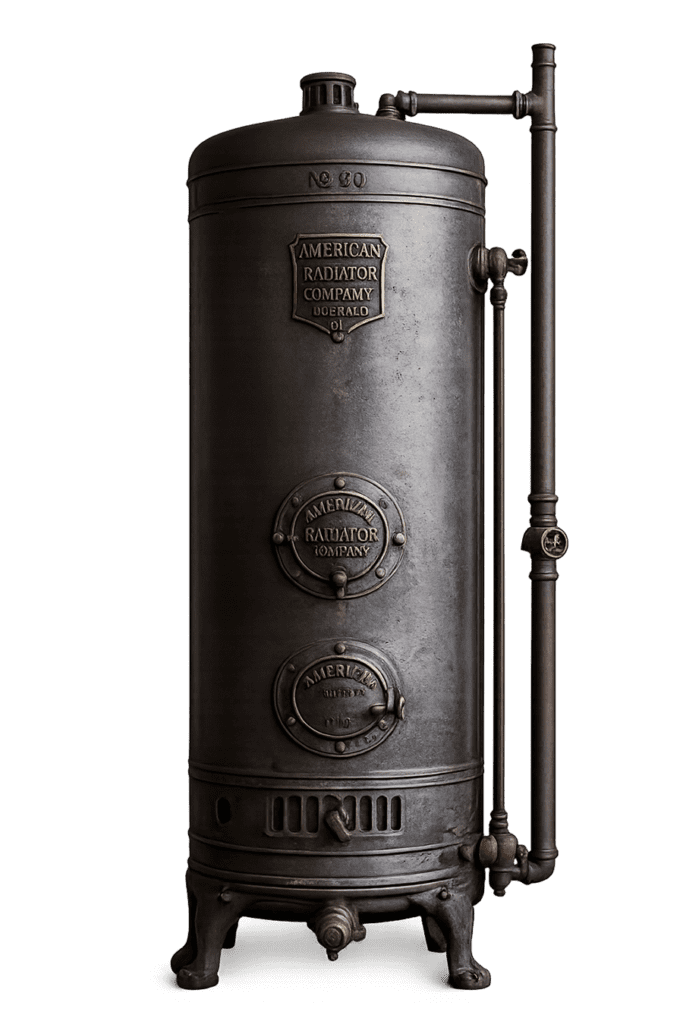
In 1922 Water heater cost $75

In 1922 The Lincoln Memorial was dedicated
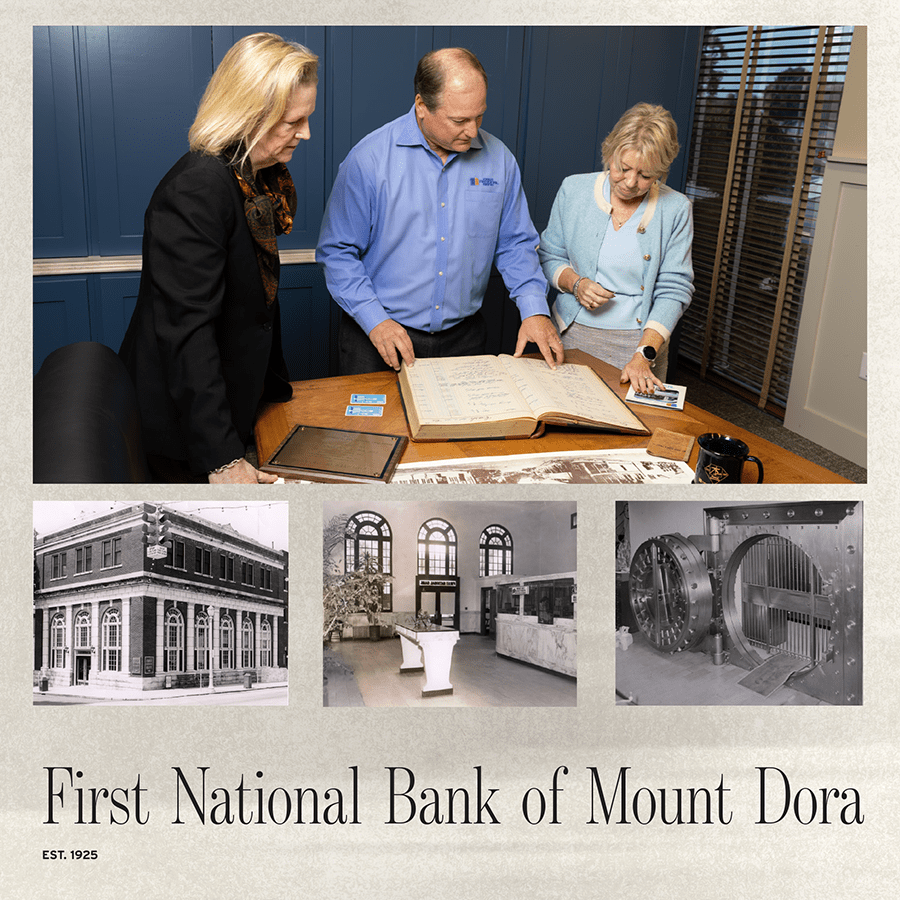
A first-class postage stamp cost just 2 cents and Calvin Coolidge was president when The First National Bank of Mount Dora opened in 1925.
The bank created to serve a growing Lake County has maintained a strong focus on personal relationships and local service through economic downturns, technological shifts and changing times.
Today, the bank gratefully upholds its enduring legacy and continues reflecting the values that spawned its success: trust, community engagement and steadfast dedication to customers.
“For the last 100 years, our success has been built on a deep dedication to our customers and community,” says Executive Vice President & CFO Andrew Kurtz. “As we look ahead, that same dedication will guide us into our next century of growth.”
The bank’s commitment extends far beyond financial services. Over the decades, its employees and leadership have served on local boards, supported schools, invested in youth programs and partnered with organizations such as Habitat for Humanity and Lake Cares.
In 1972, the bank assisted a key donor in establishing the Mount Dora Community Trust, a nonprofit charitable organization to support Mount Dora and Northeast Lake County.
The First National Bank of Mount Dora became well known for staying solvent in difficult times. During the Great Depression, the institution never closed its doors. The same approach continued through the Great Recession and COVID-19 pandemic, when staff worked extended hours helping customers navigate relief programs and financial uncertainty.
Leadership longevity also played a major role in the bank’s success. Several executives spent decades at the institution.
“We want to honor our legacy by blending modern banking convenience with the kind of personal, local relationships that built the bank from day one,” says John Pease, President of Trust and Investments.

In 1925 A loaf of bread cost around 9 cents

In 1925 Average price of a new house was roughly $6,000–$9,000

In 1925 The average yearly salary was around $1,200–$1,500
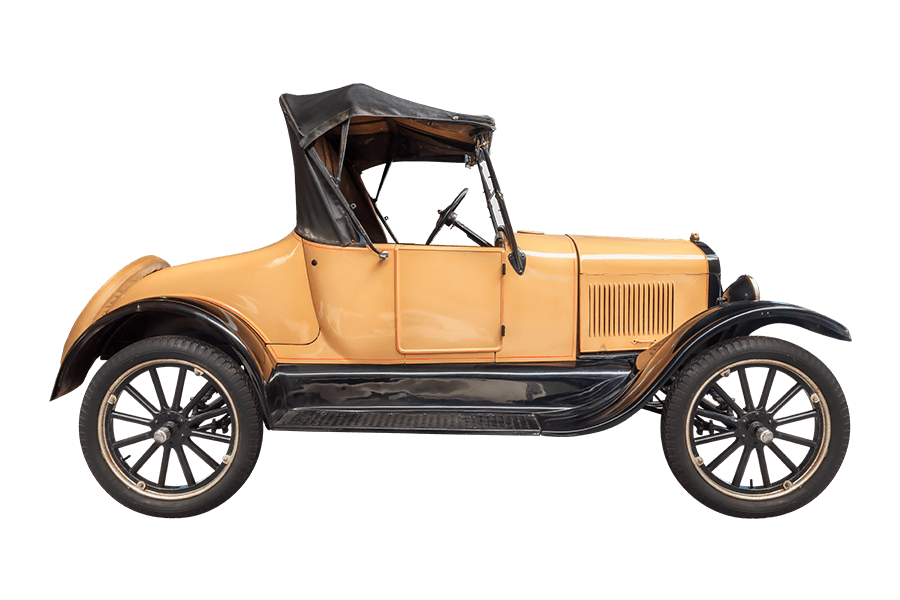
In 1925 Average price of a new Model T Ford was about $300–$500

Webster became synonymous with treasure hunting, antiques and a sprawling flea market, but the Sumter County Farmers Market that anchors the community began as something far more practical: survival.
The popular market founded during the economic hardships of the 1930s was created to give local farmers, ranchers and growers a centralized place to sell livestock, produce and goods at a time when rural communities relied heavily on agriculture to survive. What started as a necessity quickly evolved into a cornerstone of the local economy and culture. Farmers arrived before sunrise with cattle, watermelons, citrus, tools and homemade goods, while neighbors used market days as both commerce and social connection. In many ways, the market helped define the rhythm of rural life in Central Florida.
The market located at 524 N Market Blvd. in Webster became a gathering place for generations of families across Sumter County and beyond.
The Sumter County Farmers Market has expanded with the region it belongs to. Vendors selling produce and livestock eventually shared space with dealers offering antiques, collectibles, handmade crafts and secondhand treasures in an eclectic atmosphere that draws thousands of shoppers each week. What was once primarily an agricultural exchange gradually morphed into a massive, nationally-known ‘every Monday’ Webster Flea Market and swap meet.
Central Florida has changed dramatically, but the market retains much of its old Florida character. Longtime residents still view Webster as more than a shopping destination. It remains a place where generations gather, stories are exchanged and small businesses get their start.
Its impact on the community stretches far beyond commerce. For many locals, the market represents resilience, entrepreneurship and a connection to a slower, more rural version of a disappearing Old Florida.
In a rapidly changing region, Webster remains one of the few places where history comes to life… every Monday morning.

In 1937 Beef cattle cost about $8–$10 per cwt (1 cwt = 100 lbs)

In 1937 Flour sack dresses cost 50 cents
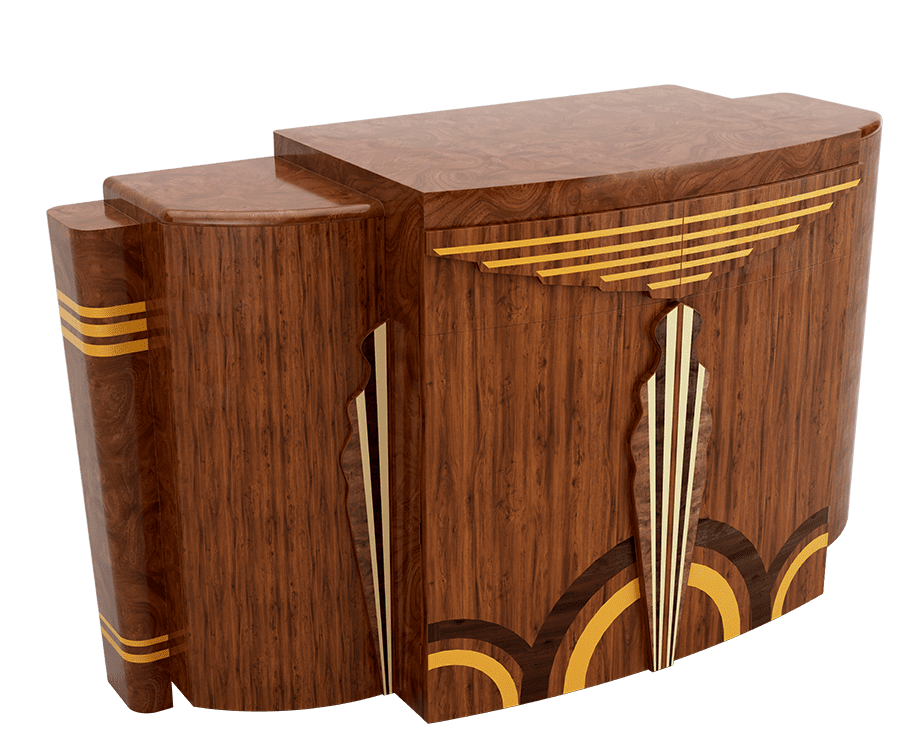
In 1937 Basic home furnishings: $200–$300

In 1937 Sumter County population was 10,644

Hanks Electric was already part of the community long before Clermont’s growth boom.
The business founded in 1955 by Seldon and Ruby Hanks began at their home in Groveland after they relocated from Chicago.
Seldon, an electrical engineer, built the company one service call at a time, sometimes waking his son Jim “Jimmy” Hanks in the middle of the night to help him restore power or repair a neighbor’s well pump.
“He would say, ‘Jimmy, we need to get up. Someone’s well pump is out,’” Jim’s daughter Julie Hanks-Prado says of her grandfather. “They’d go fix it right then.”
Hanks Electric became a longtime fixture in downtown Clermont, known for appliances, air conditioning and repairs, honesty, reliability and personal service. The business also helped train generations of local technicians and future business owners.
The future of the family business suddenly became uncertain when Julie’s father died in 2020 and her mother passed in 2021. Hanks Electric officially closed Sept. 30, 2021, but Julie and her husband, Ernie Prado—who had worked as an appliance technician for the company since 2012—reopened the next day as Appliance Parts of Clermont.
Today, the business focuses on appliance parts, refurbished appliances and trusted repair referrals while continuing the same customer-first approach the Hanks family built over decades.
“If nobody else can find the part you need, Julie can find it for you,” Ernie says.
The couple serves longtime customers and welcomes new ones who find them through word of mouth, online reviews and old refrigerator magnets bearing the original Hanks Electric phone number, the same number still used today.
For Julie, hearing customers share memories about her grandparents and parents remains one of the most meaningful parts of continuing the business.
“It makes me feel good inside when people talk about them and sometimes, I get to hear stories I never heard before,” she says. “They’ll also say, ‘We’re very happy that you stuck around,’ and that’s the best compliment of all.”
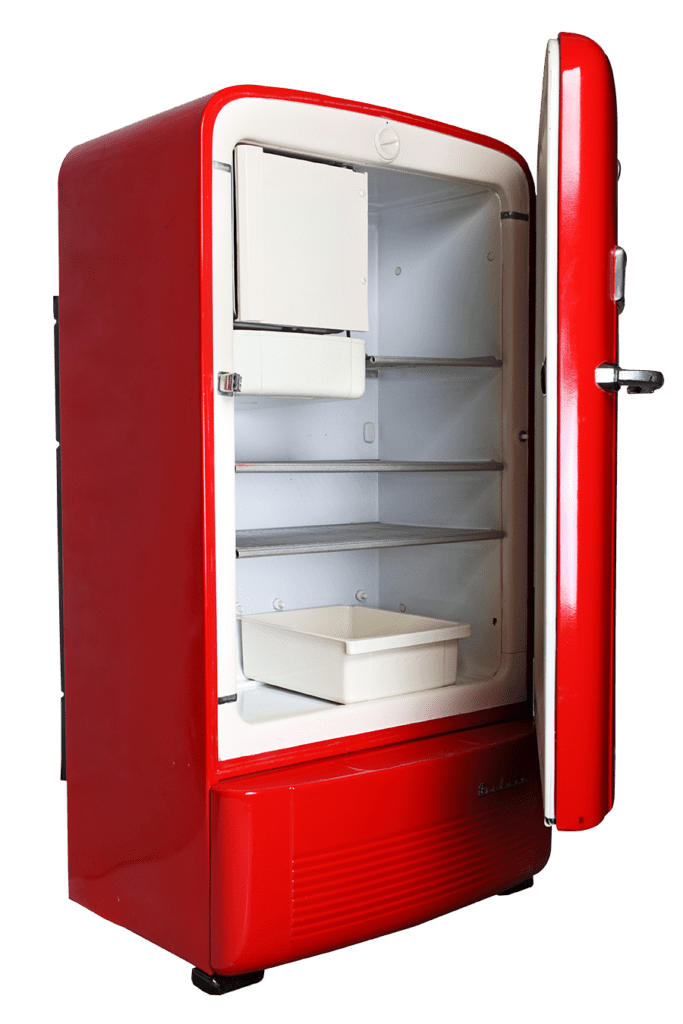
In 1955 Refrigerators cost $300

In 1955 A washing machine cost $200

In 1955 Gasoline averaged 23 cents per gallon

In 1955 Elvis Presley signed his first RCA recording contract

A small roadside produce stand in Oxford has grown into one of the region’s best-known specialized markets and agritourism destinations.
The roots of Brown’s Country Market extend back to when the Brown family settled in Oxford after a train breakdown unexpectedly stranded them in 1915. The family later opened a small general store in Wildwood during the 1930s before launching their farming operation on 93 acres in 1955.
“I grew up on this farm, so this piece of land holds a very special place in my heart,” Alisha Brown says. “Being able to take the reins from my dad and continue what my grandfather started is something I don’t take lightly. It’s a tremendous honor and responsibility to carry on our family’s farming legacy.”
Brown’s Country Store opened at 13940 U.S. Highway 301 in Oxford in 1977 as a simple roadside stand selling fresh produce directly from the farm. As demand grew, so did the operation, eventually expanding into the large country market now housed inside the farm’s former tomato packing house.
Over the decades, Brown & Brown Farms expanded into grass seed production as the market became known for local produce, meats, baked goods, jams, honey and old-fashioned country store staples.
Today, the property continues adapting to a changing Central Florida through seasonal festivals, concerts and agritourism attractions that draw families from across the region.
“Farming in Sumter County has changed tremendously over the years with the growth our area has experienced, and like many family farms, we’ve had to evolve with the times,” Alisha says.
“Opening the farm to the public through agritourism has allowed us not only to preserve our family farm, but also to help connect a new generation of families to agriculture.”
Even with that growth, the business remains deeply tied to its farming roots and the idea of creating a gathering place centered around community, agriculture and tradition.
“At the end of the day, that’s really what Brown’s Adventure Farm is about,” Alisha says. “Connecting families to the farm for generations to come.”

In 1955 Chevrolet Bel Air was the popular car

In 1955 Major freeze damaged citrus crops across Central Florida

In 1955 Bushel of tomatoes cost $2–$3
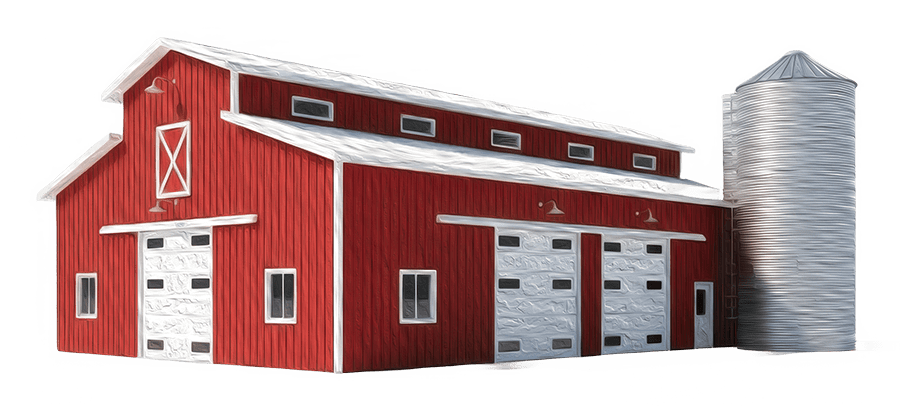
In 1955 The State of Florida had more than 100,000 farms
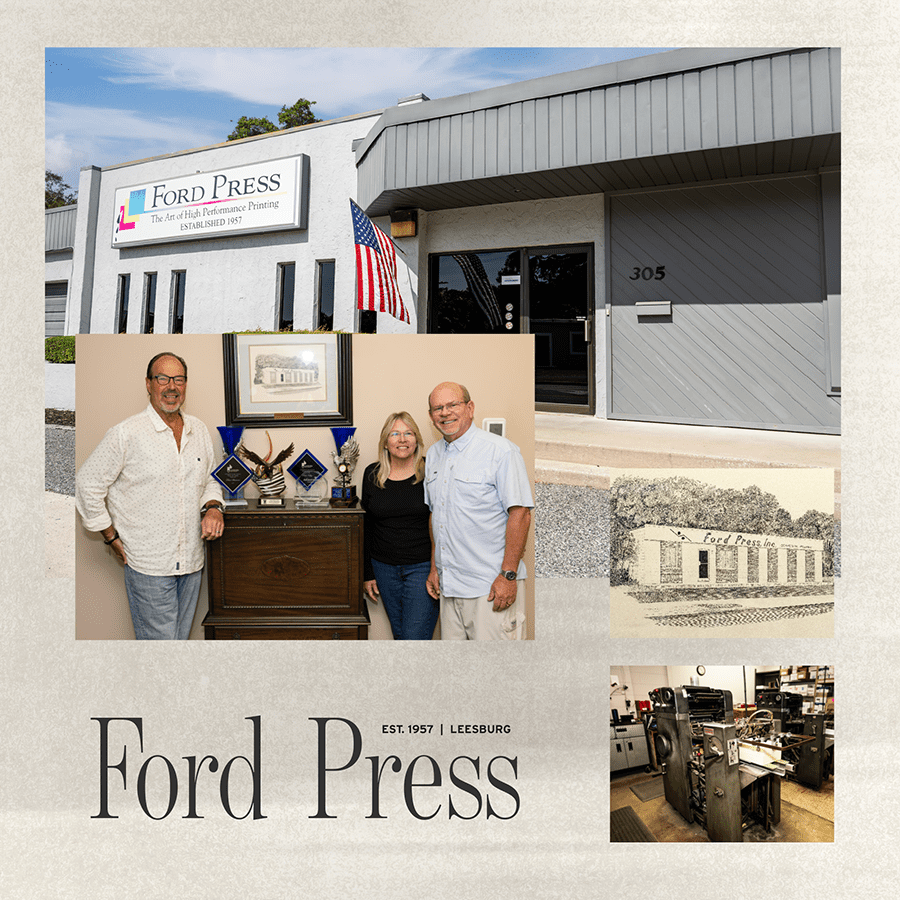
For nearly seven decades, Ford Press has remained a trusted partner to businesses across Central Florida, combining long-standing relationships with a commitment to innovation and continuous improvement.
Located in downtown Leesburg since 1957, Ford Press has built its reputation on delivering dependable printing solutions while embracing the technological advancements that continue to reshape the industry.
“I think our success comes down to relationships and trust,” says co-owner Richard Kelley. “People appreciate working with a company that has deep roots, but they also want to know you’re continuing to invest in the future.”
Richard joined the company in 1986 after purchasing part of the business from his former father-in-law, Bill Bowersox, whose father, Ford Bowersox, helped establish the company. Co-owner Dean Simmons and his wife, Teresa, joined in 1998 after successful careers in the newspaper industry.
Throughout its history, Ford Press has witnessed dramatic changes in printing technology—from darkrooms, negatives and stripping tables to advanced digital workflows, variable data printing and automated production systems. Rather than resist change, the company has consistently invested in new technologies that improve efficiency, quality and customer experience.
“We’ve always believed that staying relevant means staying ahead,” Dean says. “Technology continues to change and our responsibility is to evolve with it so we can provide the best solutions for our customers.”
The owners credit the company’s longevity to a culture built on employee commitment, customer relationships and a willingness to adapt.
“It’s family,” Dean says. “Many of our employees have spent decades here because they genuinely care about the work and the people we serve.”
Several employees have been with the company for more than 20 years, including one team member who recently celebrated 40 years of service.
Beyond its operations, Ford Press has remained committed to strengthening the region’s business community through leadership, mentorship and active participation in organizations that support economic growth and workforce development. Both owners have dedicated time to initiatives such as Leadership Lake County and other local organizations that help foster stronger connections throughout the region.
As Ford Press approaches its seventh decade, its mission remains to deliver exceptional service, embrace innovation and build lasting partnerships that help customers succeed.

In 1957 A daily newspaper cost 5 cents
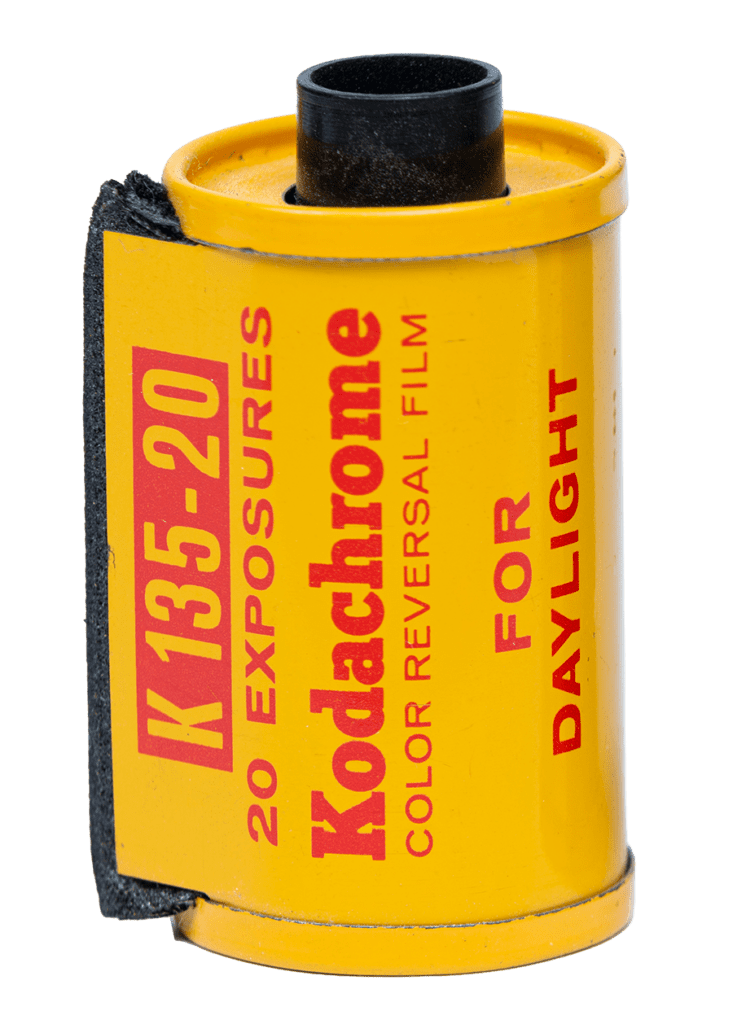
In 1957 The cost of a roll of Kodak color film averaged $1.75

In 1957 Developing film cost another 50 cents to $1

In 1957 A ream of basic paper averaged $2

In 1957 Color copying did not exist
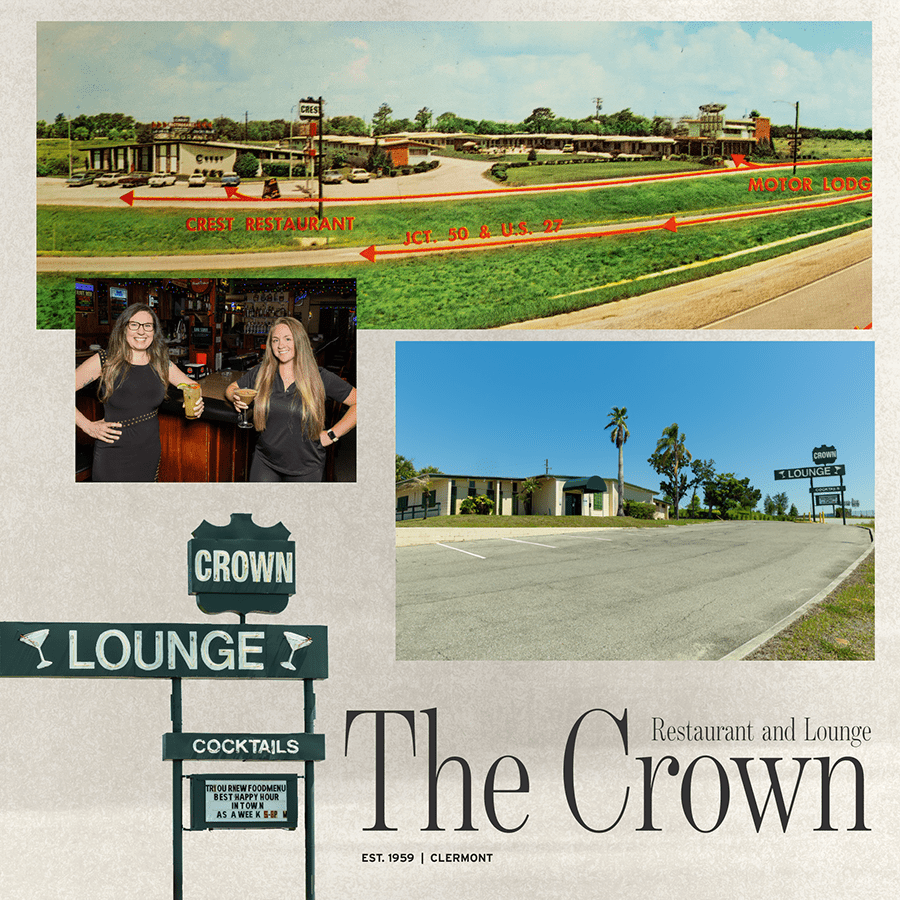
Before big-box stores and heavy traffic, Clermont was known for a restaurant at the corner of Highways 27 and 50 built by Don McCaffrey, an engineer, Navy contractor and entrepreneur who once owned all four corners of the intersection.
Highway 50 was still more dirt road than major corridor at the time, and the nearby Citrus Tower was drawing tourists to Clermont when McCaffrey began construction in 1958.
Many of those tourists flocked to The Crest Restaurant after it opened on Mother’s Day in 1959 in a building built so solidly it even served as a tornado shelter.
It also served a meal no one else offered. According to current owner Stephen Parrish, the restaurant became Central Florida’s first buffet, then called a “gourmet table.”
Operators and concepts changed over the years, and in the early 1970s, one renter wanted a new name.
“Don said he picked the name Crown because it required the least amount of new letters and fit in the same space on the sign,” Stephen says.
The name stuck, and The Crown remained a popular stop through decades of growth around it.
Stephen planned to lease out the building when he purchased it from Don in the early 1990s. Instead, he ended up operating the Crown for nearly 30 years before eventually passing the torch to Stefanie Harding, who had worked for his company for nearly two decades.
Today, The Crown is less white-tablecloth restaurant and more neighborhood lounge known for cold drinks, karaoke, elevated bar food and a loyal crowd of regulars. And yes, smoking is permitted inside.
“We have a very large group of very amazing, dedicated regulars,” Stefanie says. “It’s become more than just a place to eat and drink. It’s people’s social time during their day. It’s their wind down.”
To Stefanie, preserving The Crown means preserving a piece of old Clermont.
“I think if I were to stress something to anybody in this area about the Crown is that it’s more than just a bar. And it’s more than a dive bar,” she says. “It’s a culture, it’s a family. It’s your neighborhood Cheers, but in real life.”

In 1959 Hamburger cost 20 cents

In 1959 Steak dinner was $1.50

In 1959 Draft beer cost 25 cents
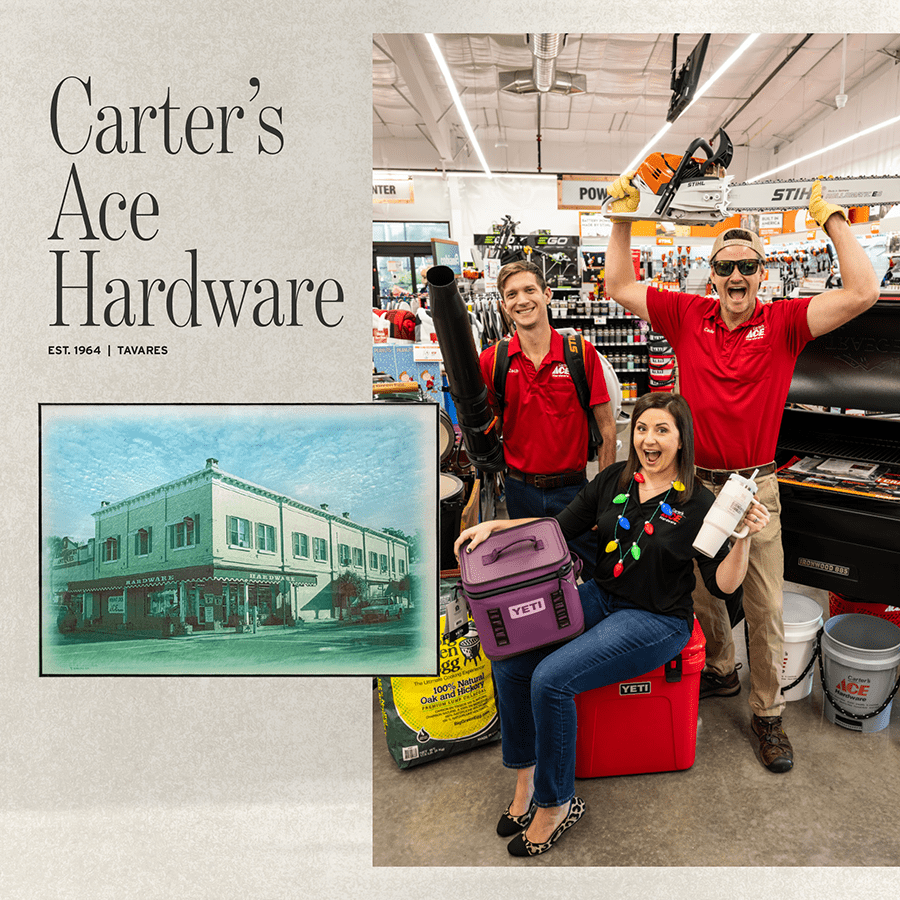
In many small towns, the hardware store has always been more than a place that sells tools, paint or a box of screws — the place to go when something breaks and advice is needed from someone you trust.
Roy Cade Carter, Sr. established that tradition in Tavares in 1964 when he bought into a hardware store while working as a hardware wholesaler in Central Florida.
What started as one store grew into a multi-generation family business known throughout the region as Carter’s Ace Hardware.
“Every small town needs a hardware store,” Cade says. “Really, what we do is we help people fix problems.”
Siblings Roy Cade “Cade” Carter III, Zach Carter and Brittany Britton lead the company started by their grandfather and expanded by their father, Roy Cade “Cadie” Carter, Jr.
The family business has grown to 11 locations across Central Florida, including historic stores like Mount Dora Hardware, a business founded in 1915. While the stores have evolved with online ordering, rapid pickup services and modern inventory systems, the company’s focus remains rooted in customer service and community connection.
Carter’s Ace Hardware stores have consistently ranked among Ace Hardware’s top-performing locations nationwide, earning Visionary, Platinum and Pinnacle recognition — designations reserved for top-tier stores within the Ace network.
The family legacy carries both pride and responsibility. That mindset continues to shape the company today, where helping customers, and supporting the communities around them, remains at the center of the business.
“It’s an honor to be able to carry on what my grandfather started and build it and grow it,” Cade says. “Not many businesses make it into the third generation or even the fourth generation. We’ve been blessed to be where we are.”

In 1964 Gallon of paint was $2

In 1964 Lawn mower cost $60

In 1964 Most popular car debut: Ford Mustang
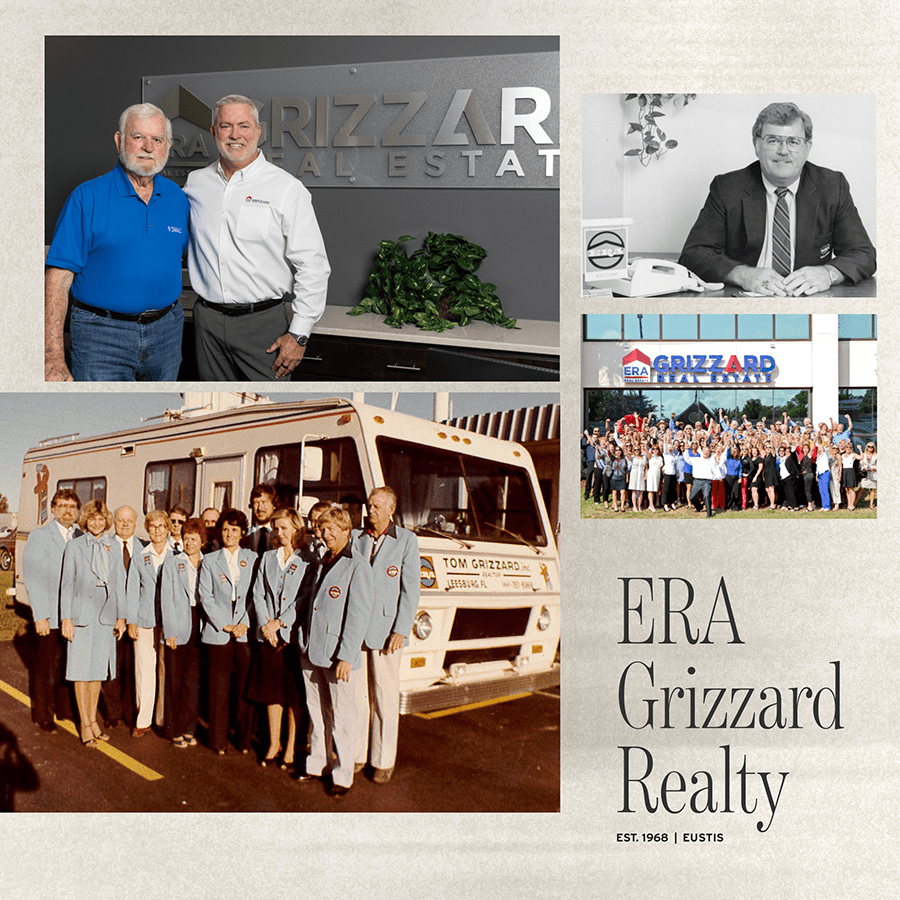
Long before Central Florida’s explosive growth transformed orange groves and quiet lake towns into one of the fastest-growing regions in the state, the Grizzard family was already helping shape the landscape.
It started with Beverly Grizzard, who began buying land and developing property in Lake County during the mid-century. Then came Tom, who founded the real estate company in 1968 out of a converted airplane hangar overlooking Lake Griffin, building the business around relationships, trust and local knowledge rather than transactions alone.
Today, Tom’s son, Gus, leads the company after taking ownership in 2007 during one of the worst housing downturns in American history. Under his leadership, the brokerage expanded from a single office into a regional presence across Central Florida. But for Gus, growth was never supposed to come at the expense of the values he learned from his father.
“Even as the market, technology and population have changed dramatically over the decades, ‘your word is your bond’ remains one of the company’s guiding principles,” he says.
Gus spent nearly 18 months sitting beside his father learning the business, leadership, and how to build relationships and create long-term value for clients and employees alike. Those lessons continue shaping the company today.
A graduate of Leesburg High, Gus says he has watched the area grow exponentially in his lifetime.
“There is always a trade-off,” he says. “While development brought economic opportunity and more things to do, it also changed the character of many once-sleepy communities.”
ERA Grizzard has expanded to six locations throughout the region since Gus took the helm.
In many ways, the story of ERA Grizzard mirrors the evolution of Central Florida itself: adapting to rapid growth while trying to preserve relationships, trust and sense of community that built the company.
What began in a converted airplane hangar has grown into one of the region’s top-producing brokerages while remaining grounded in the same family values passed down through generations.

In 1968 Average U.S. home price: $26,600

In 1968 Average 30-year mortgage rate was 6.5%

In 1968 Lake County population about 68,000

In 1968 Walt Disney World Resort opening was 3 years away
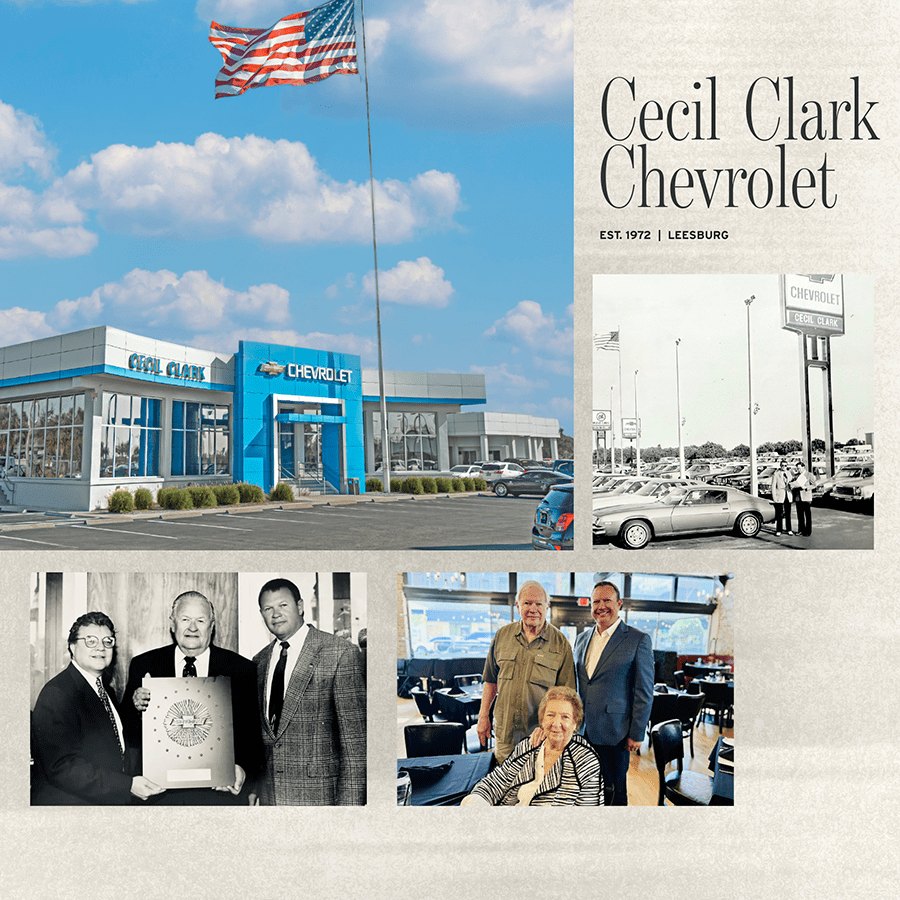
For 54 years, Cecil Clark Chevrolet has operated more than a Leesburg automobile dealership.
The business founded in 1972 by Navy veteran Cecil Clark and expanded by his son Greg has built generations of customer relationships, community involvement and family tradition.
The dealership officially entered a new chapter last year when Cecil’s grandson Joseph took over operations following the retirement of his father, Greg.
“There’s a huge sense of pride and duty that comes with becoming the third-generation Chevrolet dealer of a company my grandfather founded,” Joseph says.
Cecil opened the dealership after a successful career selling Chevrolet pickup trucks and Frigidaire refrigerators door-to-door. He considered opening locations in places like Key West and Myrtle Beach, but ultimately chose Leesburg because he believed it was the best place to raise a family.
More than five decades later, Joseph says the family remains committed to continuing that same customer-focused approach while adapting to a rapidly growing Central Florida market.
“With the migration of new residents to our community, they need look no further than one of the oldest family-run dealerships in Florida,” Joseph says.
Joseph works alongside his wife, Brenna, who serves as vice president of the dealership. Together, they focus on balancing modernization with the family values the dealership was built on.
“We work side-by-side every day,” Joseph says. “Our commitment is offering customers nothing short of five-star service for their hard-earned dollar.”
The dealership has also expanded its community involvement through local sponsorships, chamber events, athletics and education initiatives throughout Lake County.
“It’s my town, my backyard, my neighborhood,” Joseph says. “This isn’t just about selling cars. It’s about being part of the community.”
Joseph says he is excited about the future of Chevrolet and the next generation of vehicles focused on comfort, style, safety and technology.
“My family will be serving Central Florida for another half century,” Joseph says. “That gives me a great sense of joy and satisfaction.”

In 1972 Average new car price was $3,900

In 1972 A gallon of gas averaged 36 cents

In 1972 Chevrolet Chevelle SS was the most iconic muscle cars of the era

In 1972 A basic oil change cost around $5
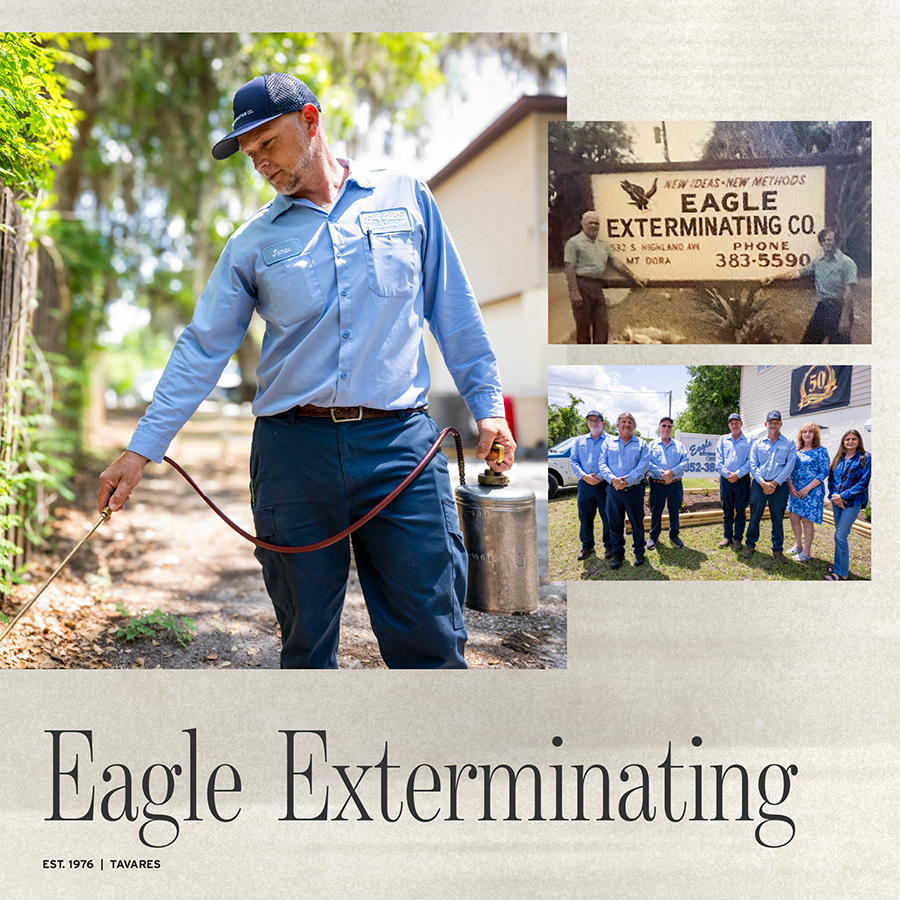
Celebrating their 50th year, Eagle Exterminating has built its reputation the old-fashioned way through customer relationships, word-of-mouth referrals and treating customers like family.
The company founded in Mount Dora by Ed Robinette, Sr. and Danny Holderfield has continued growing throughout Lake County while maintaining its small-town approach to customer service. Today, owner Kenny Driggers oversees the pest control side of the business after purchasing it in 2019.
Kenny first joined Eagle Exterminating in 1981 at age 19 after his father, who was friends with Robinette, spotted a want ad in the newspaper.
“At first it was just a job,” Kenny says. “Then I realized I liked meeting different people every day and not being in one place all the time.”
More than 40 years later, Kenny says the company’s biggest strength remains its relationships with longtime customers in Lake County and The Villages.
“Our customers are family,” Kenny says. “They’re not just a number.”
Many customers have stayed with the company for decades, with some relationships now spanning multiple generations.
“There are customers I service now whose parents I took care of years ago,” Kenny says. “Now I’m taking care of their homes.”
Despite growing competition from large corporate pest control companies, Kenny says Eagle Exterminating has stayed successful by maintaining a hometown feel and focusing on personal connections.
“A lot of people want to support a smaller local business,” Kenny says. “They want that connection.”
Today, Eagle Exterminating continues serving Lake County homes with the same family-oriented approach that helped establish the company more than 50 years ago.

In 1976 Home pest control service cost $15

In 1976 Can of bug spray cost $2

In 1976 Minimum wage was $2.30 an hour

In 1976 Air conditioning became standard in most homes
Stories: Roxanne Brown, Gina Horan, Cindy Peterson
Photos: Nicole Hamel, Cindy Peterson and provided