
By Akers Editorial
Main Street Roundup: A Snapshot of Lake and Sumter’s Downtowns





In Lake and Sumter counties, each downtown has its own rhythm, its own personality and its own reason to linger a little longer. For this special Main Street roundup, we visited the local downtowns, exploring the charm, character and history that make each one unique. From brick-lined streets and waterfront views to murals, markets and locally owned shops, these districts are more than destinations. They are gathering places, economic engines and reflections of the people who call these communities home.
The food scene is one of the biggest draws to our local downtowns. From chef-driven restaurants and cozy cafés to Irish pubs, bakeries and craft breweries, each district offers flavors that reflect its personality.
Special events only amplify that energy. Food festivals, wine walks, holiday celebrations, farmers markets and live music nights regularly transform streets into vibrant community spaces. Step onto Main Street with us and discover what makes each downtown special.
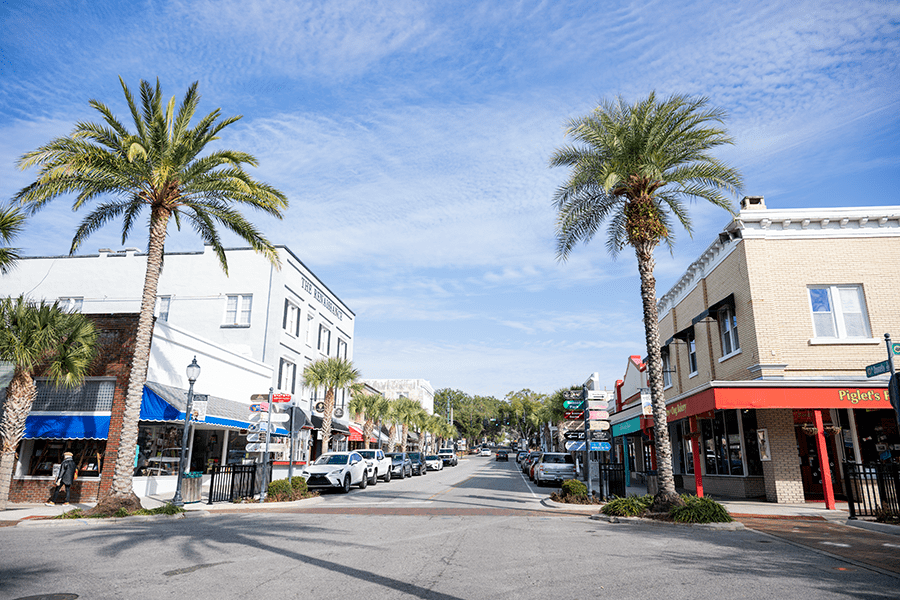
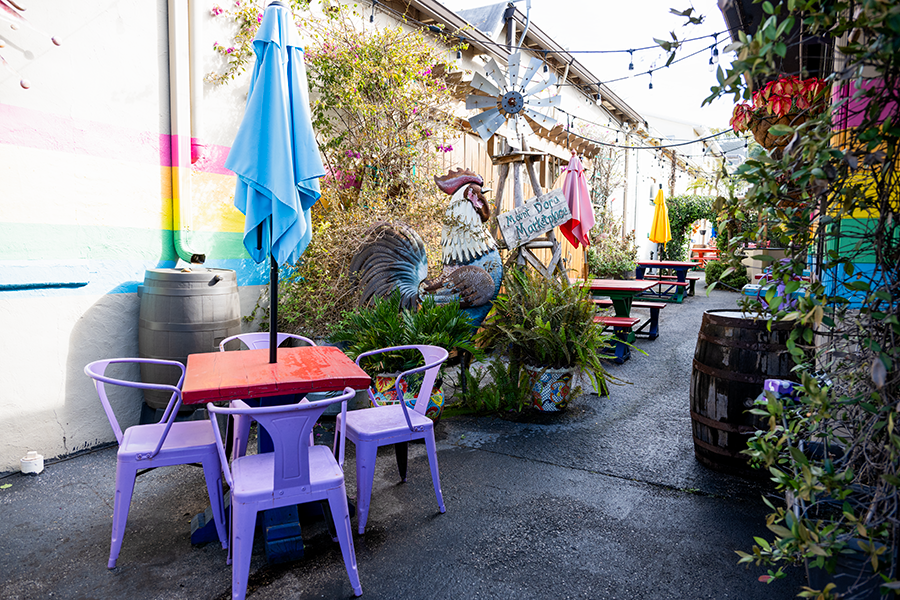
Mount Dora
Warm, earthy neutral tones are all the rage. Think chocolate, rust, terracotta, moss and olive greens.
“Brown is back in a big way; brown is the new gray,” Leah says. “Fortunately, we’ve moved on from gray. Rich colors are still in and will be more and more popular. The Ralph Lauren look is back—greens, browns, golds and plaids.”
“We are seeing a significant trend shift toward warm, earthy tones, particularly in beige and camel-toned upholstery fabrics and leathers,” Sheila Blue says. “People are moving away from the cool, stark gray and white trends of past years and embracing warm-toned wood furniture and natural stone elements. That said, at Babette’s, we have a regular clientele who still love soft blues and greens. The modern coastal or lake house design is a timeless style that will always remain relevant.”
Leesburg
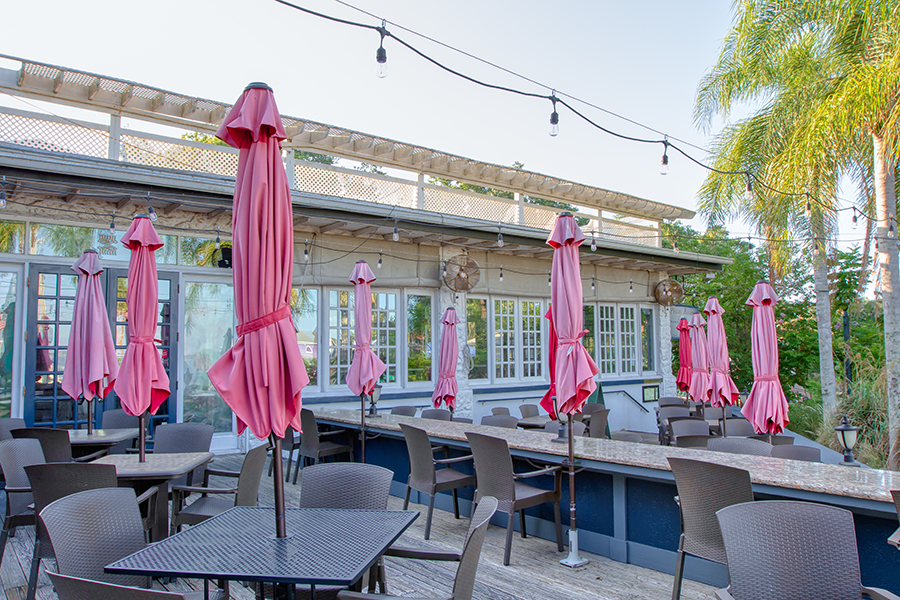
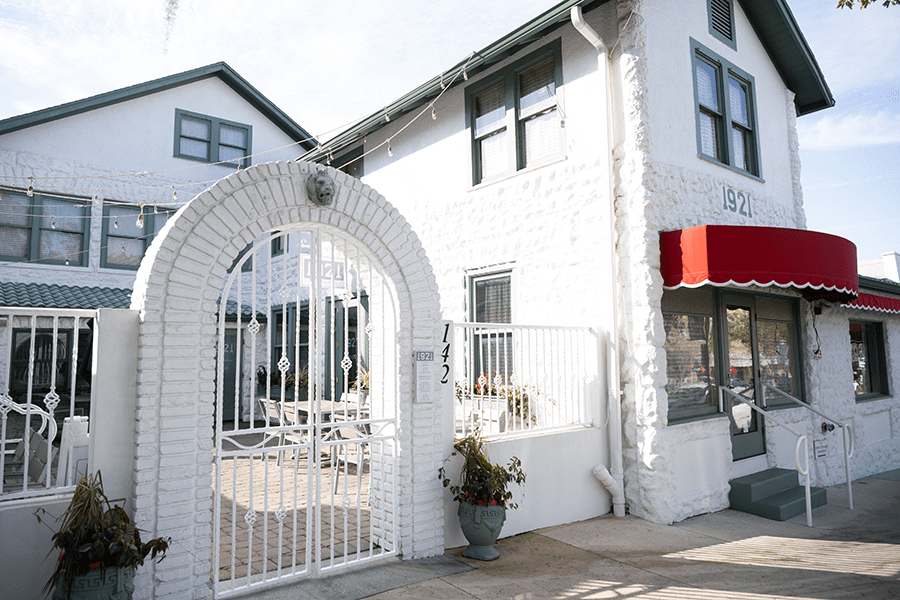
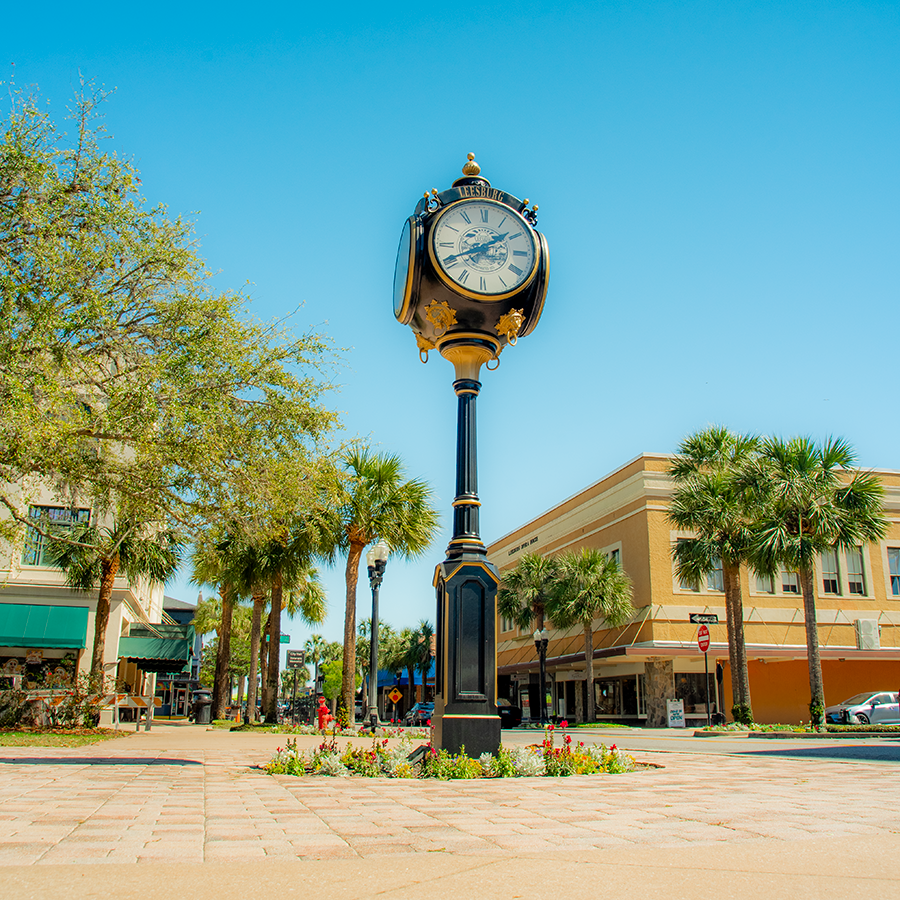
Downtown Leesburg has found new energy without losing its historic charm. Historic buildings, including the Mote-Morris House and the old opera house, date back to the late 1800s, give downtown its character, blending history with renewed momentum.
In recent years, the City of Leesburg has taken a more active role in shaping downtown’s event scene, creating experiences designed not just to entertain, but to connect people with Main Street businesses.
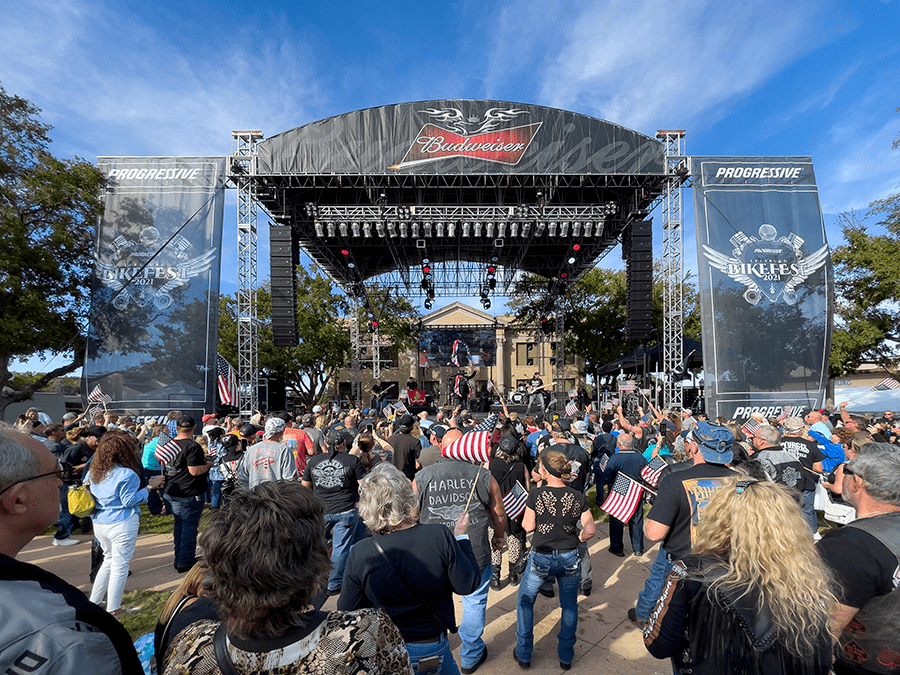
“About three years ago, the city created an events department and my task is to create new events for the downtown area while still continuing with some of the signature ones like BikeFest, Fourth of July and Christmas festivities,” says City of Leesburg Special Events Manager Maggie Lyden.
That approach resulted in a calendar filled with free, family-friendly events that bring steady foot traffic downtown throughout the year. From Blues, Brews & BBQ now heading into its third year to the popular Blooms and Brews walk, events are intentionally designed to encourage exploration.
Also on the lineup are holiday traditions like Fourth of July, Christmas and safe trick-or-treating on Main Street, which last year drew more than 6,000 people.
“People get excited about community events, and you know, free always helps,” Maggie says. “We want to create experiences where people don’t have to worry about buying a ticket.”
Many events directly involve local businesses. Visitors are guided from storefront to storefront, while markets, live music and food trucks activate spaces in and around Town Square.
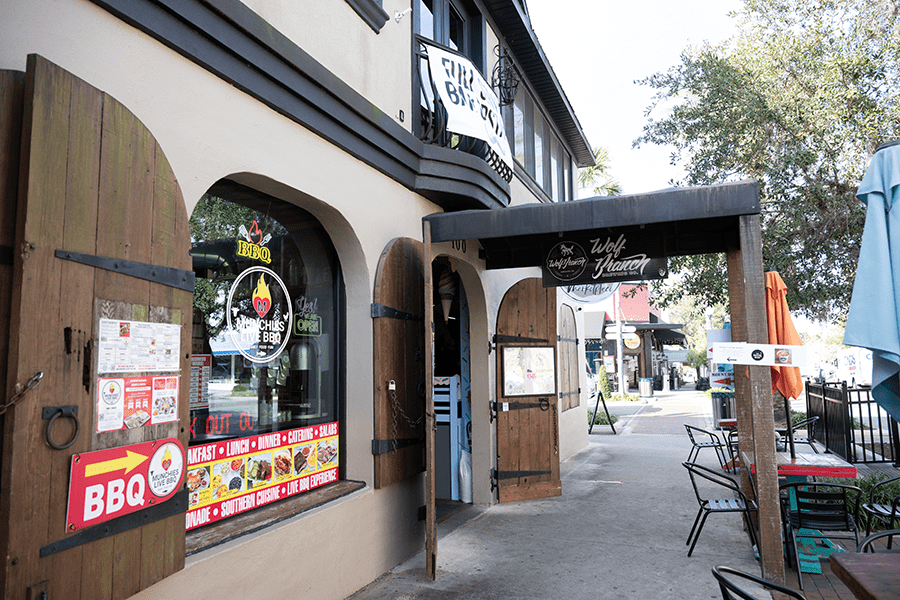
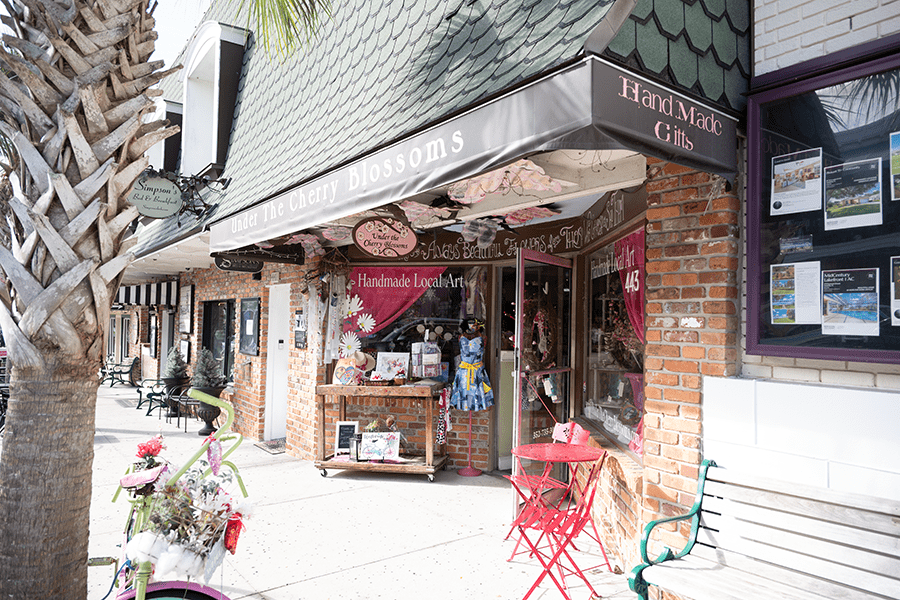
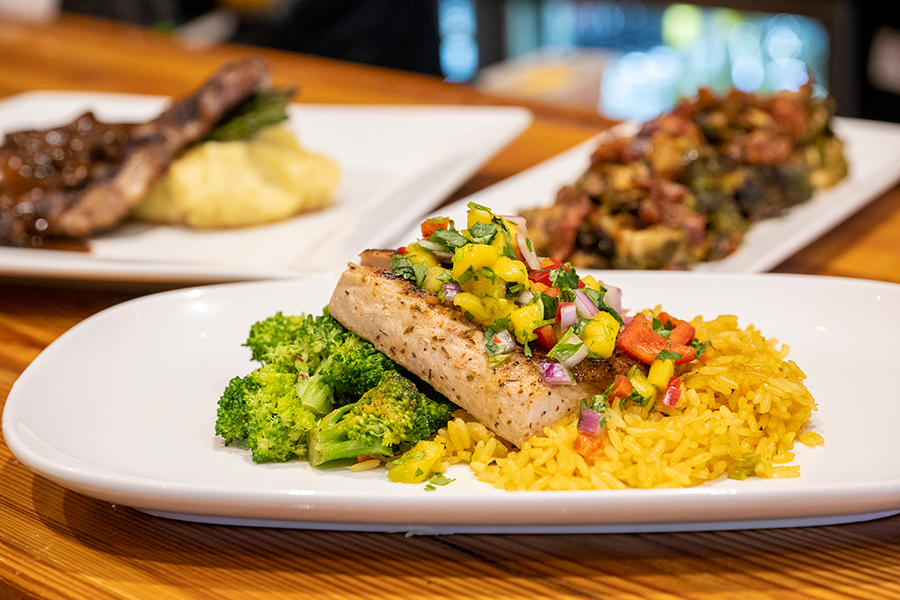
Those efforts are paying off. Restaurants like Brick & Barrel, Marmaduke’s Lodge, Prime 3, The Florida Porch, McCracken’s Irish Pub, Turners Kitchen + Bar and Breakfast at Tiffany’s draw longtime locals and first-time visitors. Wolf Branch Brewing, Two Old Hags and live music venues fuel an active nightlife, while businesses such as Grandpa Joe’s Candy Shop, Mystic Ice Cream and Not Just Cardboard attract families.
New spaces are also redefining downtown. Dance Dynamix has moved into a larger location, allowing its new studio to serve as a community event space. VanderBrew Coffee now offers an upstairs event venue and the Leesburg Center for the Arts has relocated to the historic Tropic Theatre.
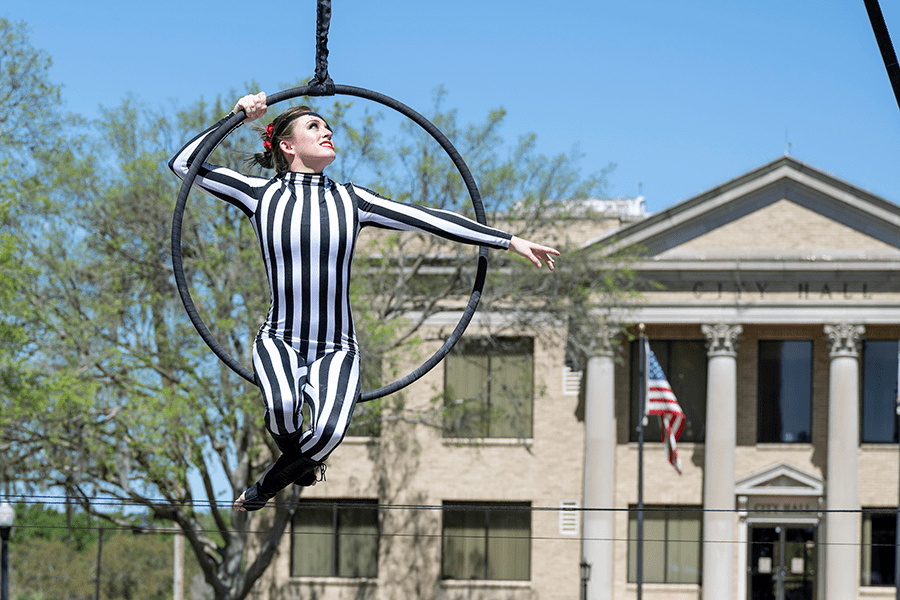
Downtown Leesburg has retained its historic feel despite its growth. Original architecture remains intact, murals enhance the streetscape and public institutions like city hall, the library, chamber of commerce office, police department and fire station remain downtown, reinforcing its role as a community hub.
“As the special events department for the city, our goal is to foster a sense of community by bringing people together for amazing free events in downtown Leesburg,” Maggie says. “By creating new experiences as well as growing signature events, we hope to make Leesburg a destination for all.”
The Villages
From its earliest days, The Villages town square was at the center of its development strategy. The walkable hub was designed to organize growth, create shared experiences and give residents a familiar place to return to as the community expanded outward.
The goal was to create social and commercial centers where residents could gather, dine, shop and socialize as part of daily life.
When developer Harold Schwartz began shaping what would become The Villages and as H. Gary Morse accelerated its growth, they recognized that scale required structure and simply relying on a single downtown would have stretched convenience and weakened the sense of cohesion.
The solution was to build multiple town squares, each positioned near new residential growth so every generation of residents had a nearby center. The concept drew loosely from the idea of a traditional American downtown, with clustered dining and shopping, public seating, open space and free nightly entertainment. Golf cart access was also a key part of the design from the beginning.
Unlike organic towns that grow over decades, The Villages had the rare opportunity to place its centers intentionally. Each square was built to serve a specific moment in the community’s growth, allowing for distinct themes while maintaining a consistent framework.
Over time, the squares have become gathering places, economic engines and social infrastructures that form a network of centers that help keep the community connected as it continues to expand.
Today, the squares operate as a system rather than a single center. Residents use the network of golf cart paths that ties the community together to move between squares for dining, entertainment, services and events.
Newer additions like Eastport and downtown Middleton reflect how the town square model has been adjusted. These centers place less emphasis on nightly entertainment and more on recreation, services and activity throughout the day, including uses tied to families, schools and workplaces.
The five squares show how a planning idea has expanded and modified over time to manage growth while keeping daily life centered around beautiful public spaces.
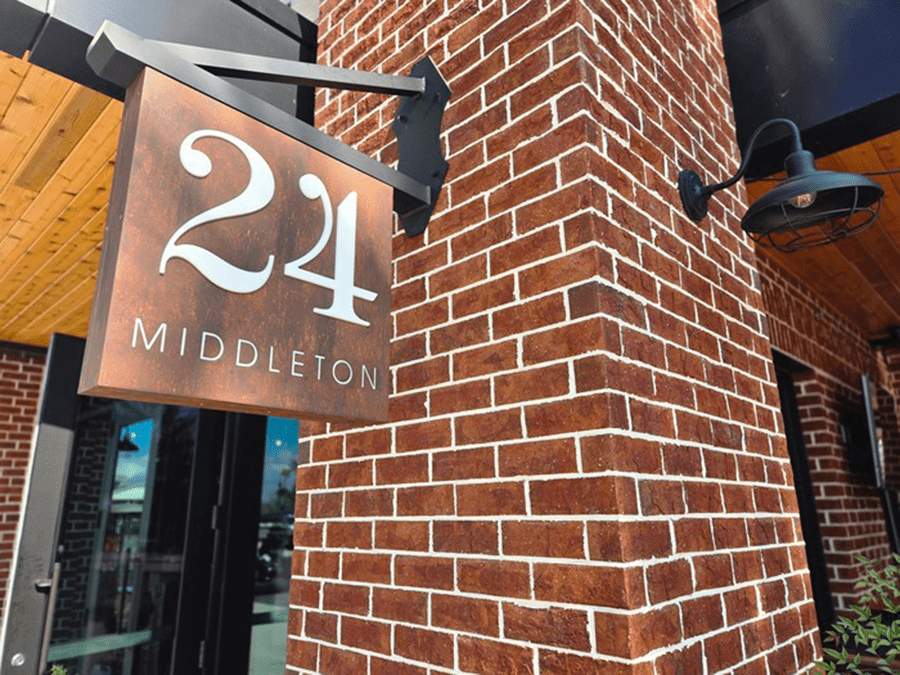
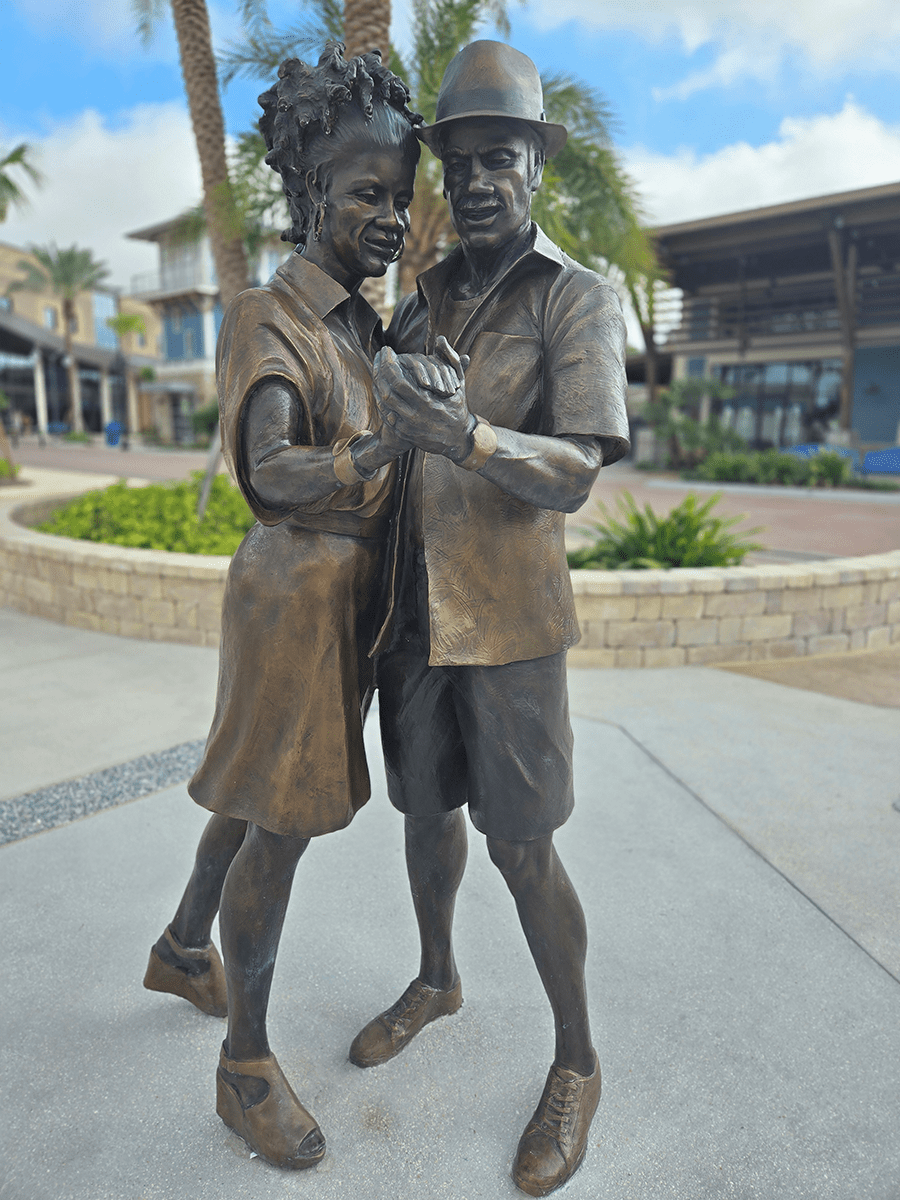
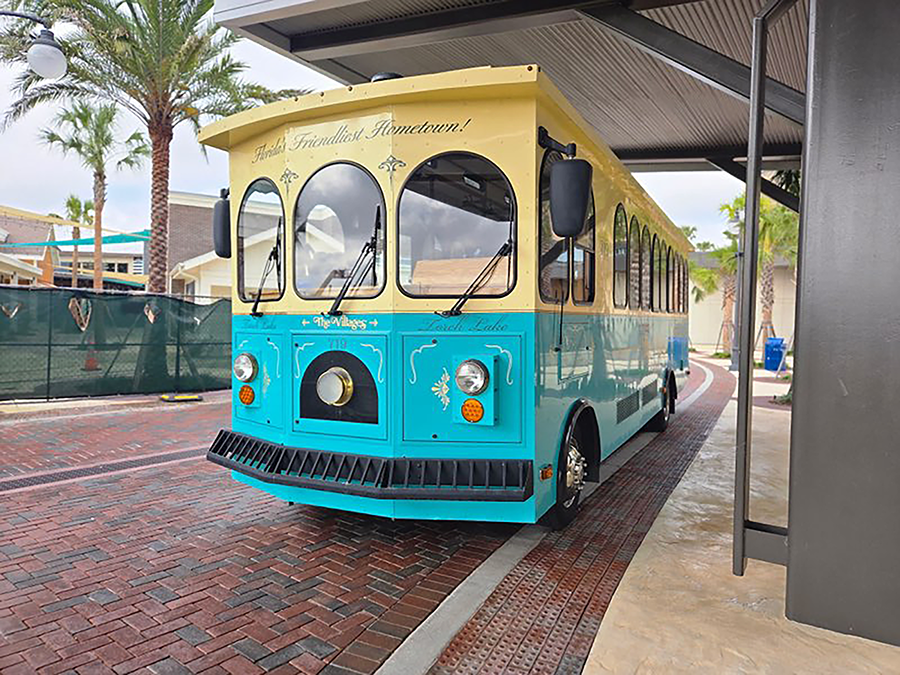
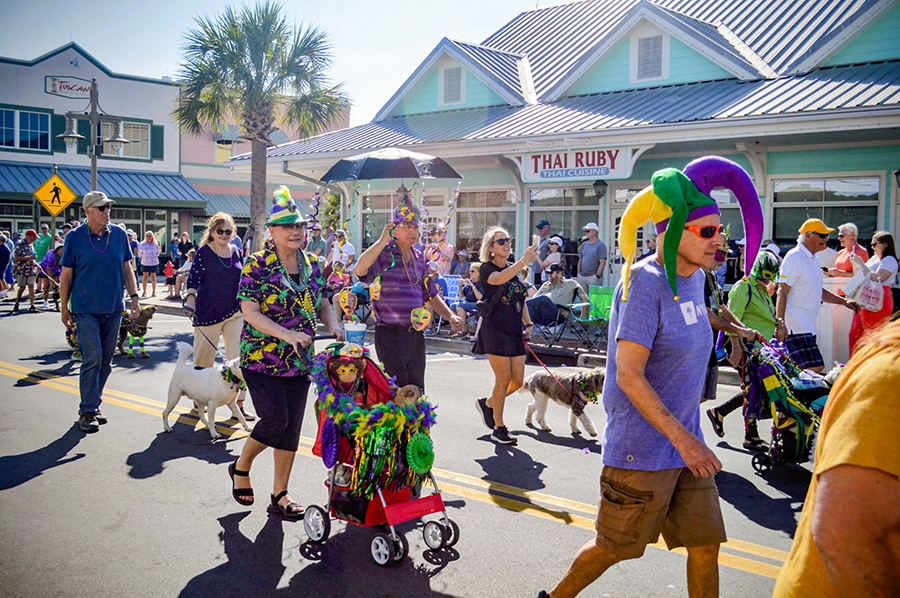
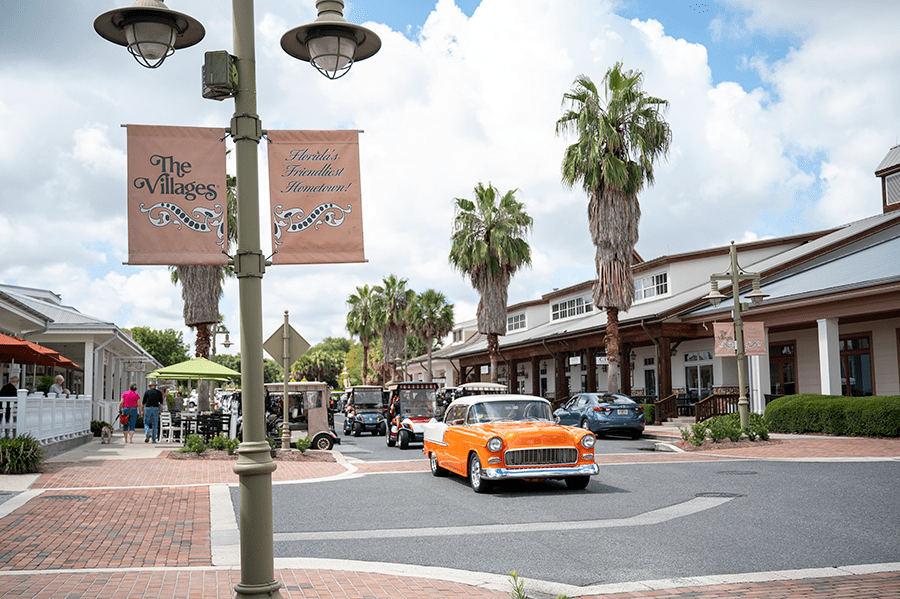
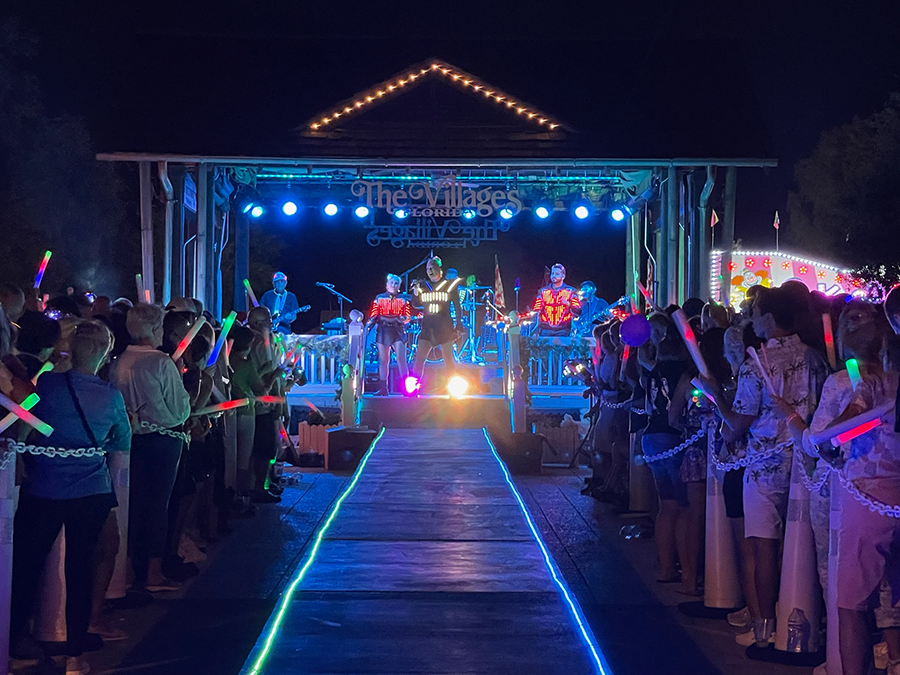
The Five Town Squares
Tavares
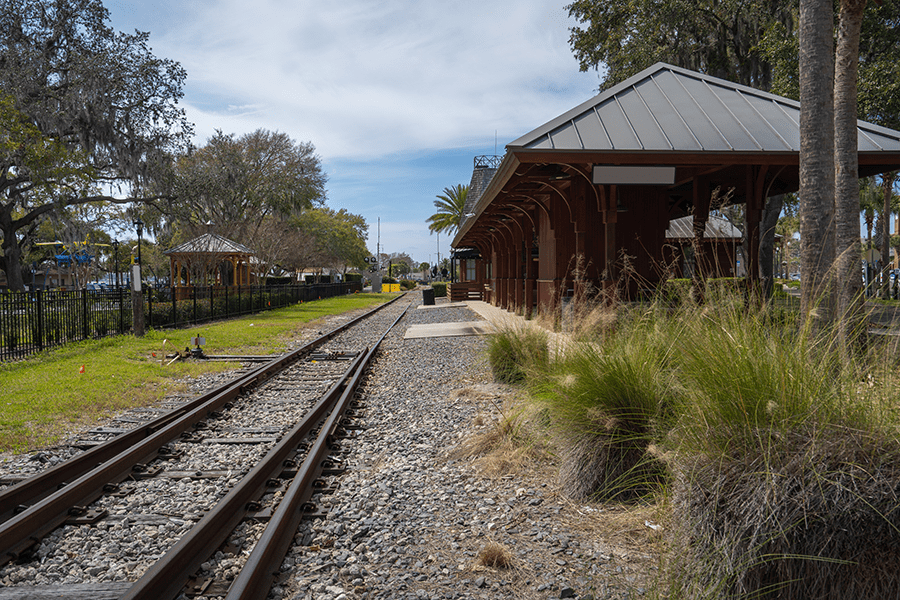
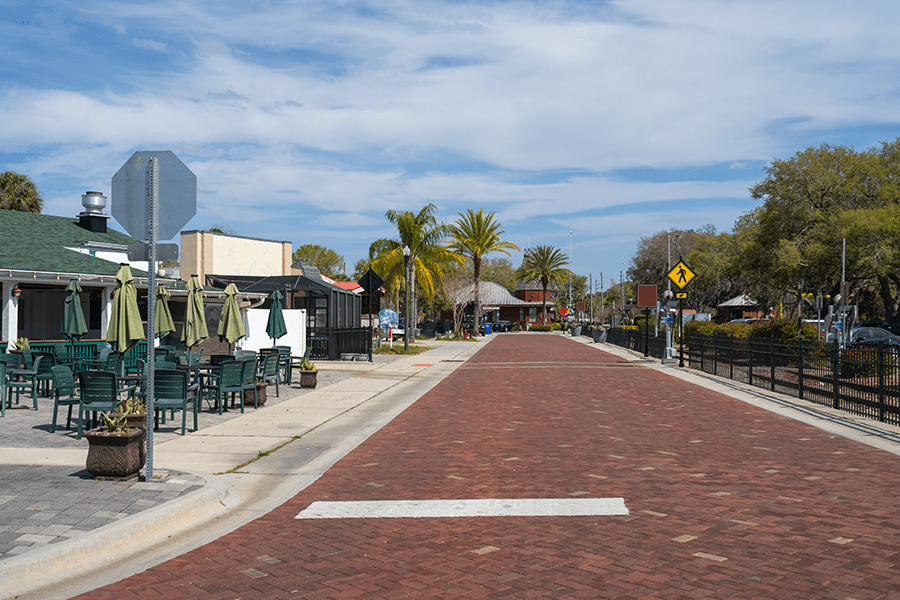
For much of the 20th Century, Tavares was a busy citrus hub, tied to rail lines, packing houses and the steady movement of fruit through Central Florida. And Lake Dora was part of that working landscape.
As citrus declined and transportation patterns shifted, Tavares’ growth paused and the main highways became byways, downtown activity slowed and the waterfront gradually faded into the background.
What had once been a functional shoreline became easy to overlook, dismissed as mosquito-and-gator water rather than a civic front porch.
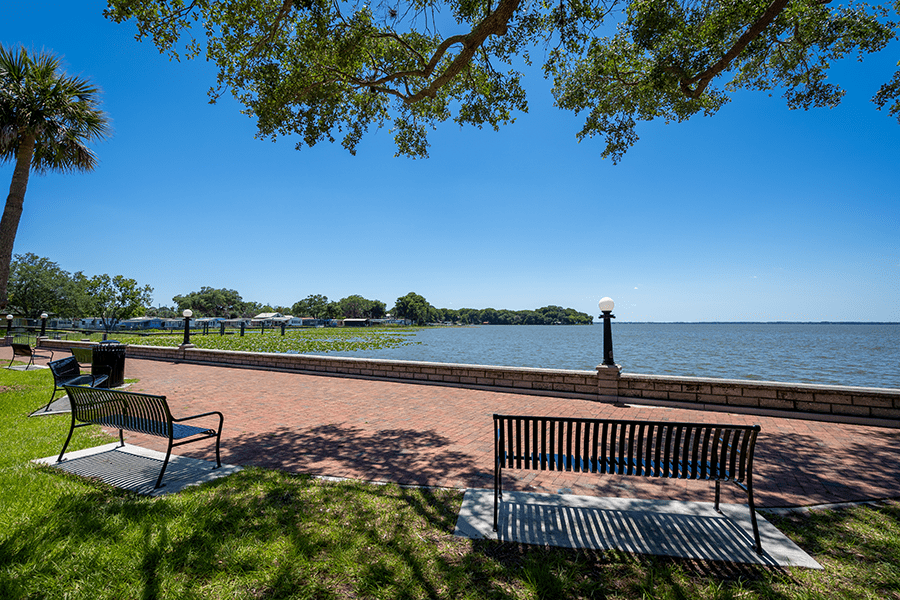
That perception began to change in the mid-2000s when city leaders took a closer look at what remained. Instead of seeing Lake Dora as scenery or leftover land, they began to recognize it as the city’s strongest asset and a catalyst for reinvention.
“It was under-cared for and under-invested in,” says Bob Tweedie, the city’s economic development manager since 2015. “Young people were starting to move away from Tavares and the locals stopped seeing the lake and waterfront for what it was.”
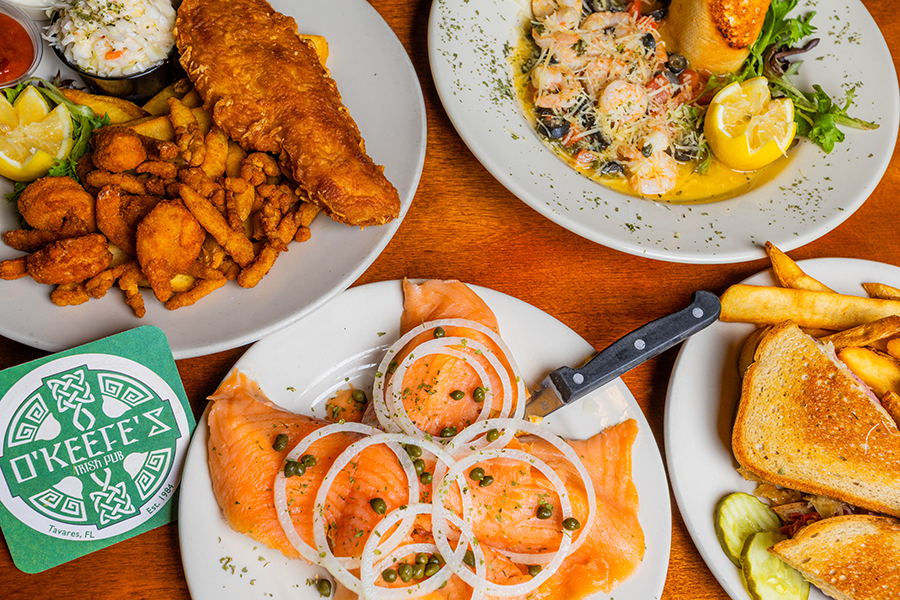
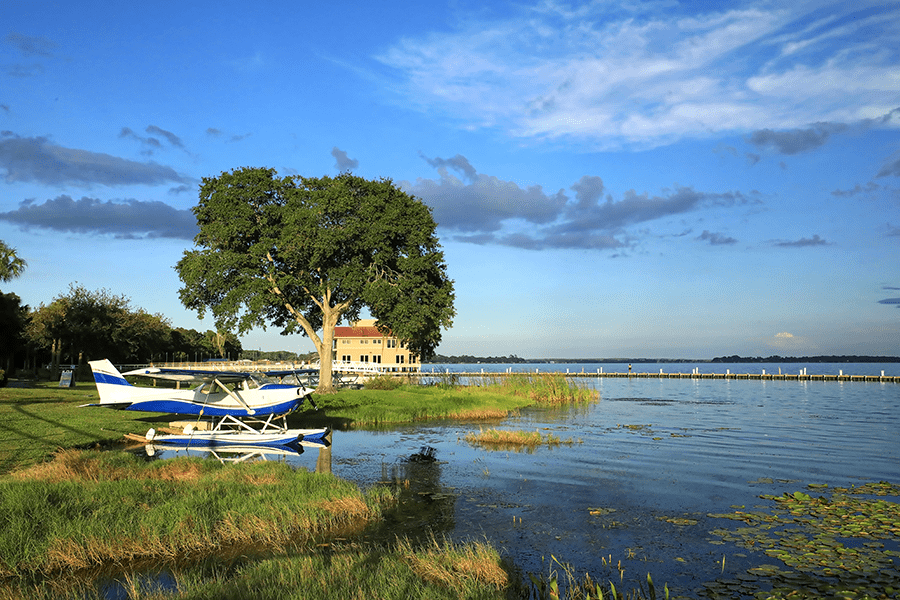
One of the most important turning points came through an unplanned, very local moment during a lunch at O’Keefe’s Irish Pub, where then-city manager John Drury and then-mayor Nancy Clutts could hear seaplanes landing on Lake Dora. Soon after, two pilots walked into the pub, muddied shoes and all.
“The story goes that the pilots were regulars at the pub and enjoyed stopping there for lunch during their travels,” Bob says. “But they complained that access was rough and it wasn’t something you’d want to bring passengers or family through.”
That conversation led to further research, which revealed that Central Florida had one of the highest concentrations of licensed seaplane pilots in the country and that freshwater lakes like Dora were ideal for seaplane operations.
The city then committed roughly $6.5 million to early infrastructure improvements, including docks, access points and a licensed seaplane base, before branding the idea. After that groundwork was laid, Tavares rebranded itself as “America’s Seaplane City.” The name has served the community well ever since.
“If a city invests in itself first, it sends a signal,” Bob says. “That’s when the private sector starts to believe in it too.”
With O’Keefe’s as the godfather of local eateries, the waterfront began to attract private investment. Multiple restaurants and hotels followed, including Puddle Jumpers, Nautilus Coffee Co., The Argonaut, Tiki West, Kahlua Beach Bar and the Citrus Boutique Hotel.
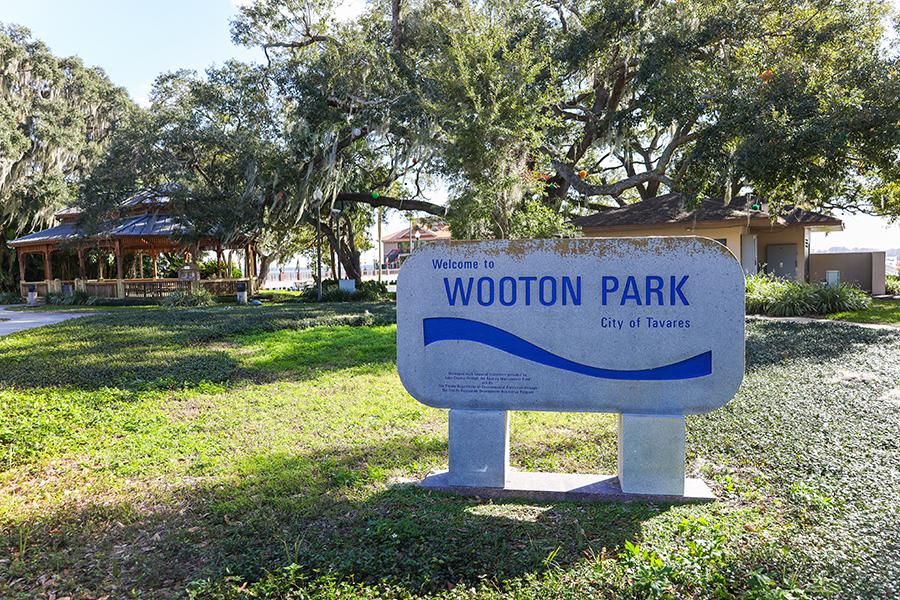
Planning community events became another part of the strategy. The city began supporting festivals, concerts and markets at Wooton Park, lowering barriers for organizers and making it easier to activate the waterfront. Today, the area hosts 25 to 30 events each year, including Rhythm on Ruby, Spring Thunder Vintage Race Boats, Rocktoberfest and the annual Christmas Parade.
“The Tavares Waterfront District is a hidden gem of Central Florida, a truly one-of-a-kind environment with limitless potential.”
-David Perry, restaurant owner and entrepreneur.
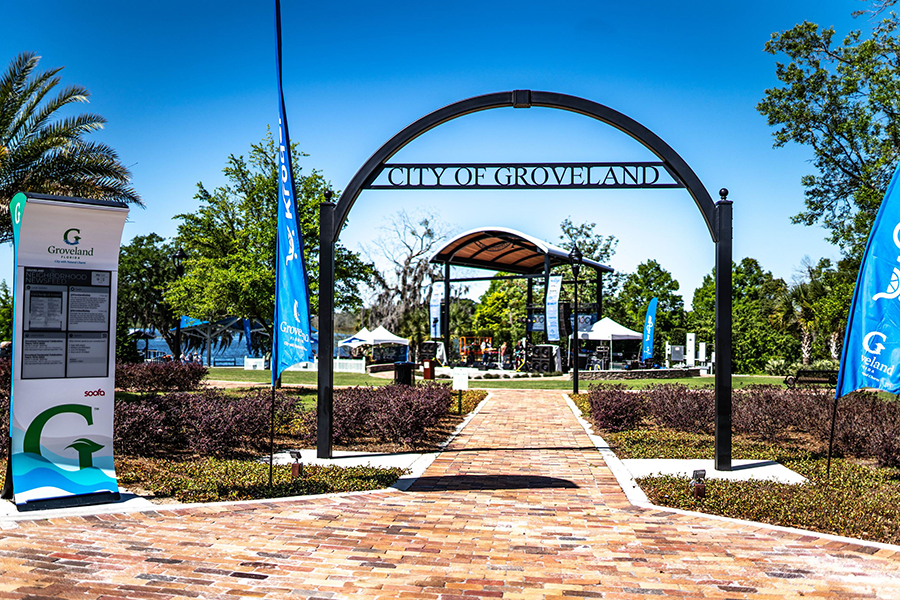
Groveland
Groveland’s downtown has quietly evolved into a place where community, culture and connection unite. City leaders say that sense of togetherness is exactly what’s driving its momentum.
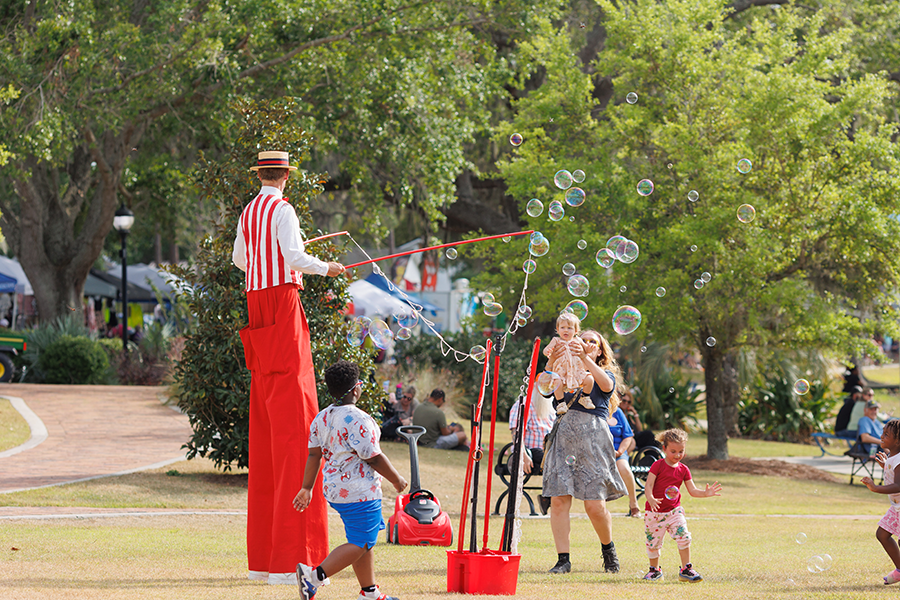
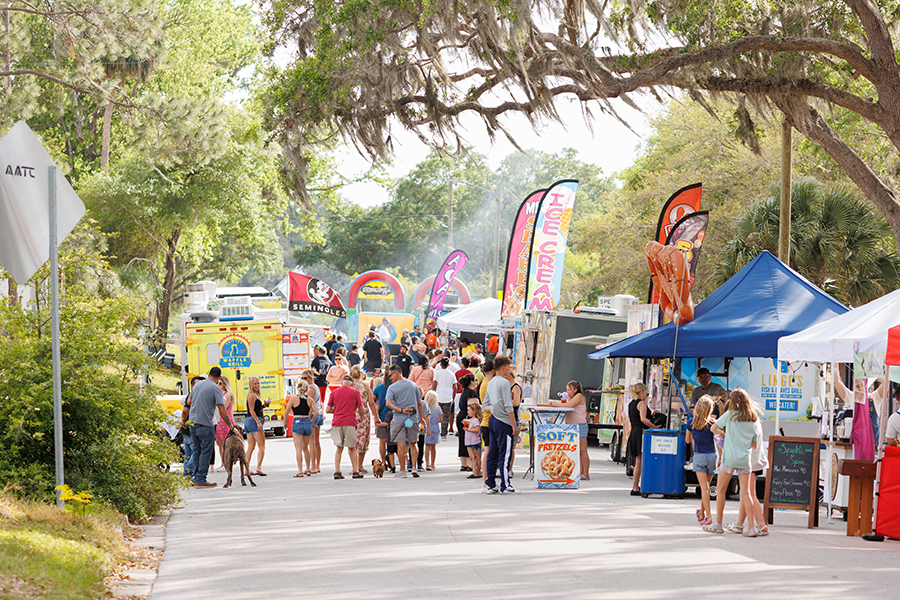
“Every month we have a second Friday block party with food trucks and entertainment and we host movie nights, both wonderful events for the entire family,” says City of Groveland Communications Coordinator Bridget Bryant.
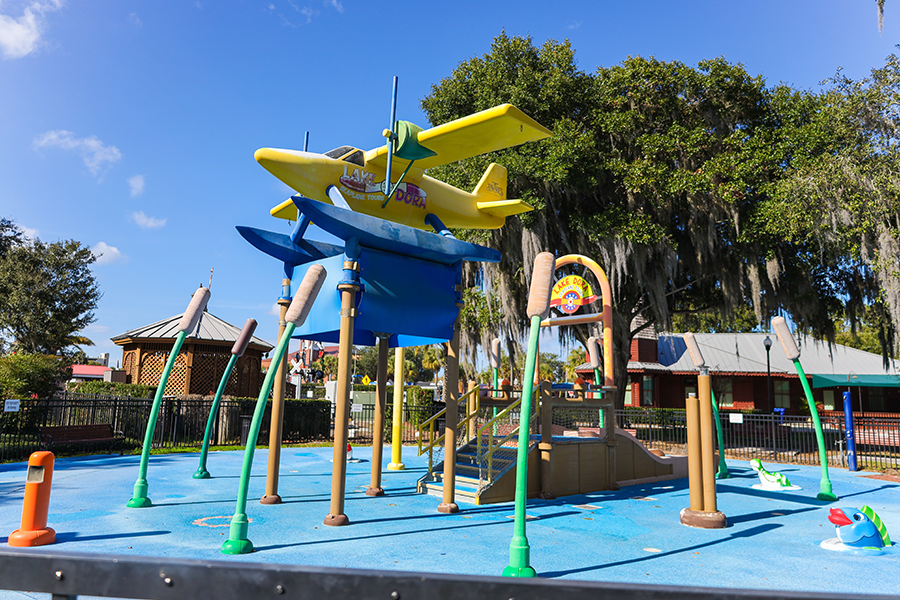
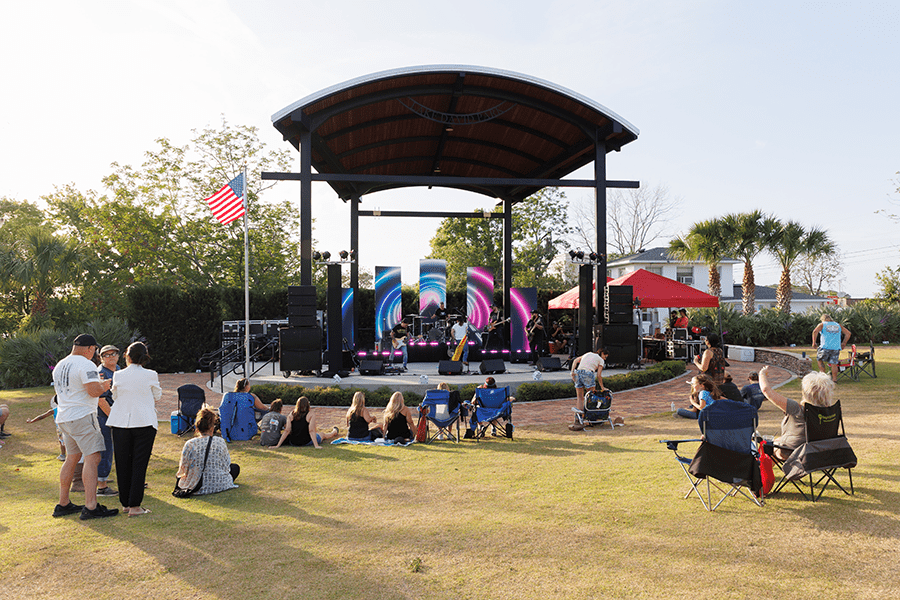
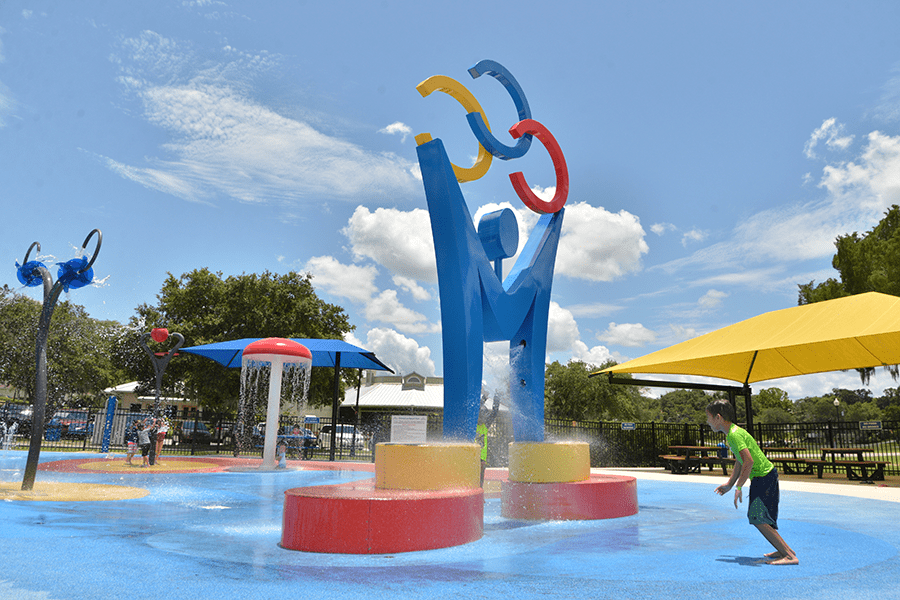
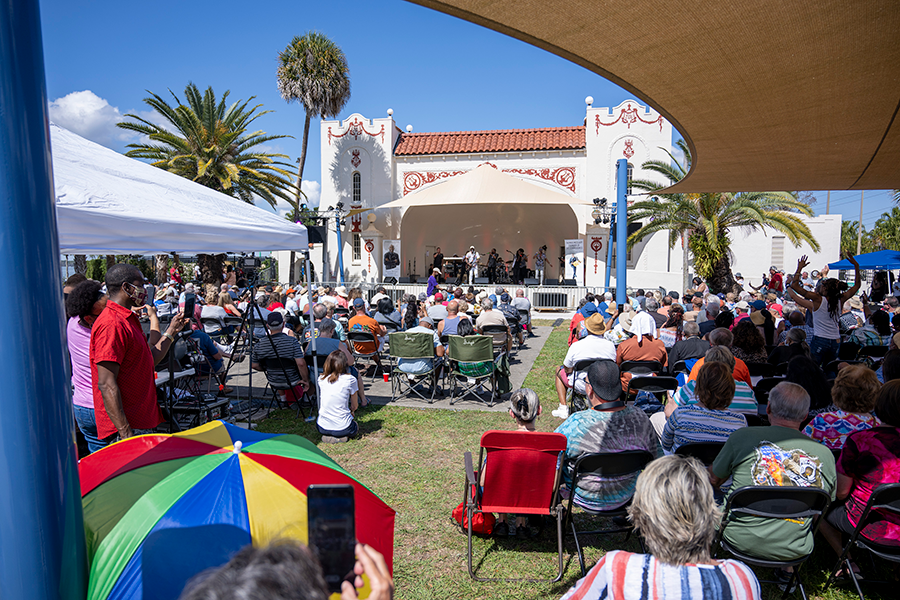
Downtown Groveland offers a mix of green space, small businesses, local events and historic charm that residents have embraced. Lake David Park, complete with a very popular splash pad, a main stage for live music and a fantastic view of Lake David, anchors much of the activity. It serves as the backdrop for celebrations like the Lunar New Year, Fourth of July, the “One Love” Reggae Music Festival, Juneteenth and other events that bring the community together throughout the year.
Many of the city’s signature events are also held at Lake David Park, including Christmas and Menorah lighting holiday celebrations and Founder’s Day, an all-day community gathering that includes water sports demonstrations and family activities.
“We try to offer a variety of events so that there is something for everyone,” Bridget says.
Downtown Groveland is also home to small businesses and community partners that play an active role in city life. A new storefront for Groveland Exchange, a local Community Supported Agriculture (CSA) business featuring fresh eggs, meat, coffee and other goods from local farmers, is located on Broad Street next to the city annex. Waterwell Farms, one of the CSA businesses located just off SR 33, is an aquaponic farm that operates in conjunction with the Leslie B. Roberts Community Garden, established by Libby’s Legacy Breast Cancer Foundation in July 2025 to promote health, nutrition and cancer prevention.
“The CSA is a really great resource, especially since Groveland has so many farmers and small businesses,” Bridget says.
Coyote Rojo, The Butcher Block Kitchen, Ikaho Sushi Japanese Restaurant, Mamma Rita’s Pizzeria, Papi’s Pinchos, Kim E’s Flowers, Billy’s Meat Market and Mahon’s Barbecue are just some of the local favorites. And many, including Michell’s Tropical Treats and Griffis Automotive Clinic Inc., have deep community ties.
“Michell’s and Griffis Automotive actually sponsor our youth sports league,” Bridget says. “Michell’s also donates to our 501(c)(3) for our police charities and they have a regular menu item called ‘Groveland Chocolate,’ a special flavor of ice cream.
The downtown area is further enriched by the Groveland Historical Society and Museum, currently being expanded to include even more of the city’s fascinating history.
“It’s come a long way,” Bridget says.
Looking ahead, the City of Groveland is preparing for significant change through the State Road 50 Realignment Project led by the Florida Department of Transportation. The project will redirect heavy through traffic, primarily big rigs, away from downtown, improve safety, reduce congestion and support long-term redevelopment.
City officials say it will also enhance pedestrian connectivity, expand regional trail access and open new opportunities for downtown revitalization and walkable features.
For Bridget, the heart of Groveland’s downtown remains its people.
“Everybody thinks of Groveland as a small town ‘with natural charm;’ our motto,” she says. “And to really see that come through at our events is like one of the things I wish I could emphasize to everybody.”
“There are hidden treasures and when we say downtown is open for everyone, we mean the youth, the teens, the next generation and the older generation. Everyone.”
-Jessica McNulty, Development Liaison
Clermont
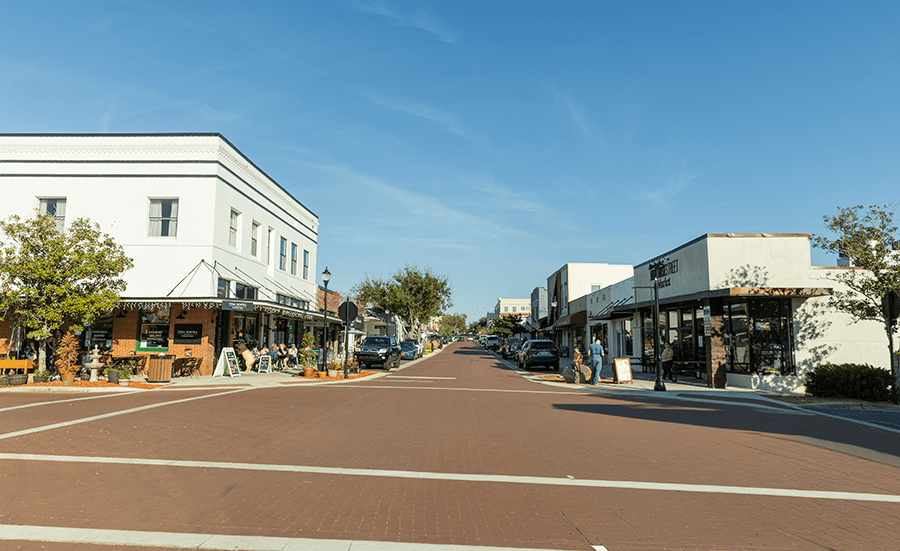
Downtown Clermont has quietly transformed into one of Central Florida’s most inviting gathering places where lake views, local businesses and a strong sense of community come together.
“It’s walkable and we have the lakefront views, which are amazing, and we have a diverse selection of businesses for families, our older residents and everyone in between,” says City of Clermont development liaison Zane Ertel.
Clermont’s core has evolved from a downtown that largely shut down by evening into a destination that invites people to linger.
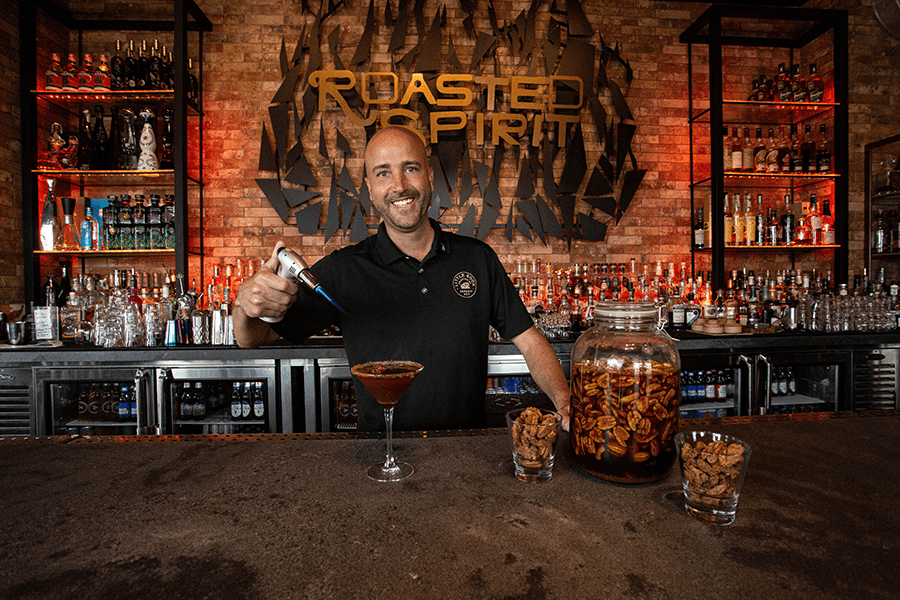
That could mean browsing local shops, enjoying a drink at Suncreek Brewery or one of many bars that have their own twists to offer, including Roasted Spirit, The Station, The Whistlestop, Mullets, Sud’s Saloon and Main Squeeze. If looking for more family-friendly activities, you can walk the South Lake Trail, visit Victory Pointe or Waterfront Park for sunset views and swimming or learn about local lore at the Clermont Historic Village. If a bit more excitement is what you crave, a visit to Game On, Clermont’s only arcade complete with mini golf, games, an escape room, food trucks and prizes might pay off, as will scoping spots for live music or snapping pictures alongside colorful murals that have become part of downtown’s identity.
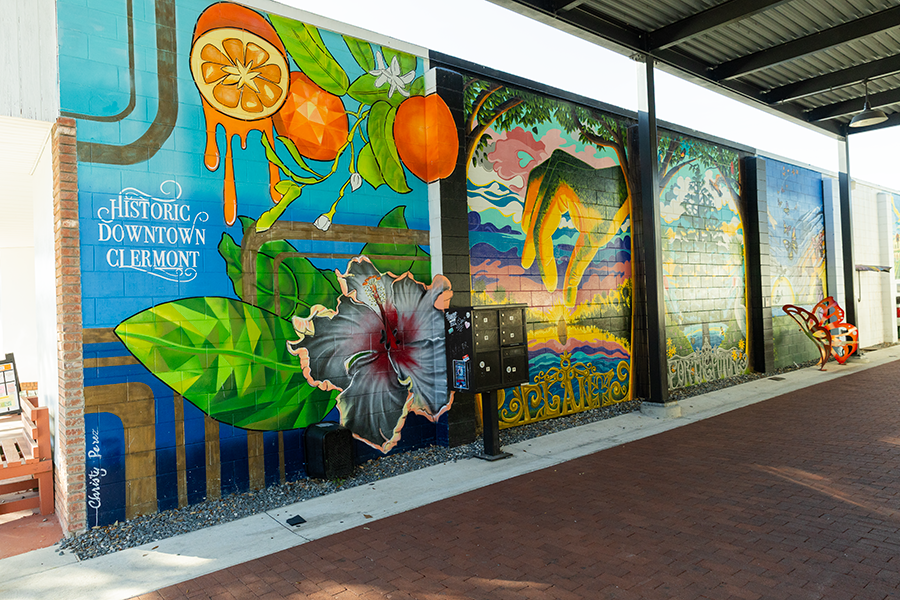
“The murals add a lot to the aesthetics of downtown,” Zane says. “You’re walking along this beautiful streetscape with brick roads, nice foliage and then these beautiful murals up on the sides of buildings. It really elevates downtown and makes it special and unique.”
Additionally, the city hosts several signature events, including Pig on the Pond, Light Up Clermont, The Great Clermont Campout, Scaremont and many more.
Part of the momentum in the heart of the city comes from Clermont Main Street, a separate, board-run organization that works with local government to support downtown businesses and keep the area active. The group helps promote merchants and regularly draws residents and visitors downtown through signature events like a weekly farmers market, First Saturday Food Trucks and monthly wine strolls.
“We have a great partnership with our Main Street organization,” says Jessica McNulty, also a development liaison for Clermont. “They’re a separate entity, but they do host events, they’ve helped develop the downtown and they do a lot of great work.”
Downtown Clermont’s appeal became clear to Jessica shortly after she moved to the area last fall.
“When you walk through downtown Clermont, you don’t see it all the first time,” Jessica says. “There are hidden treasures and when we say downtown is open for everyone, we mean the youth, the teens, the next generation and the older generation. Everyone.”
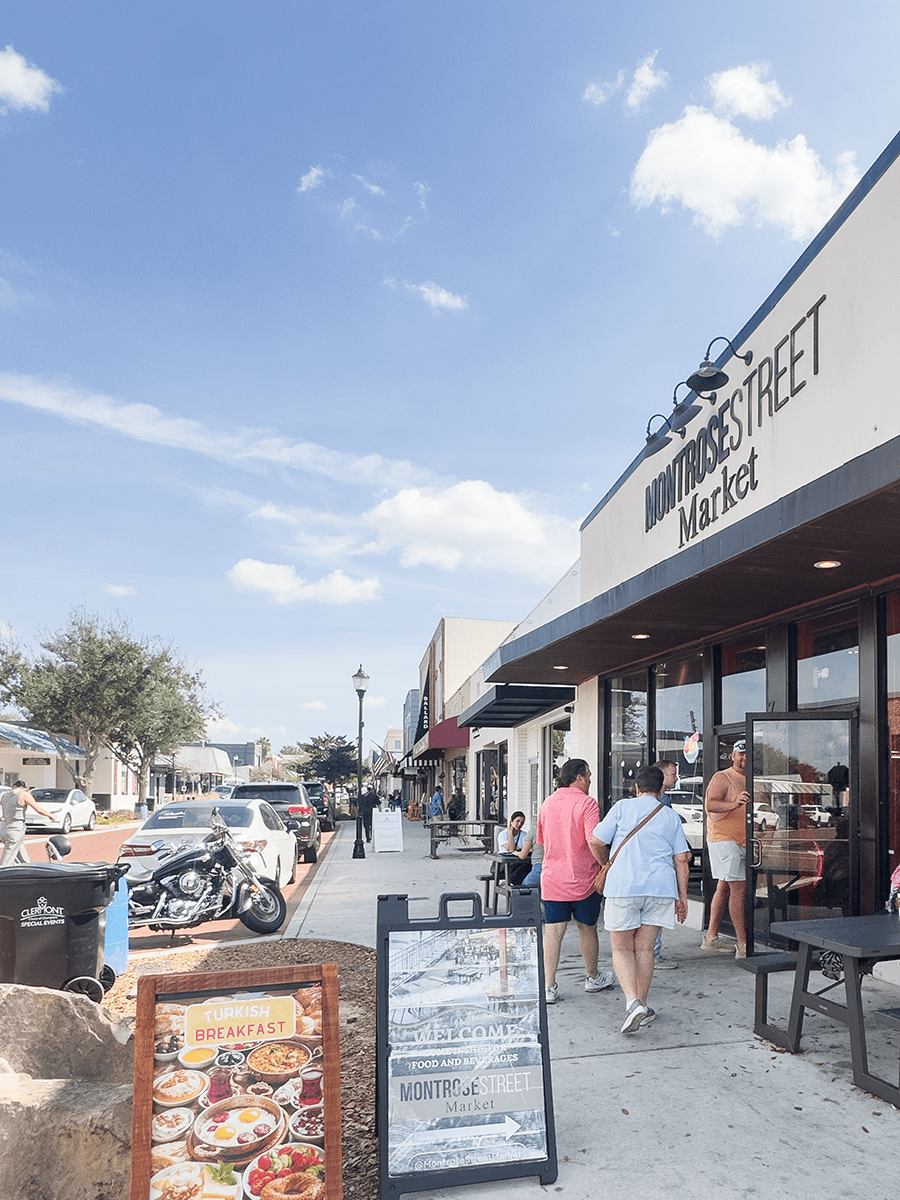
From vinyl stores to antique stores, boutiques, shops featuring locally inspired merchandise, boho inspirations, books, Boba and more. And with a plethora of restaurants, including a handful with offerings like tacos, pizza, empanadas, Philly cheesesteaks and coffee inside the Montrose Market and others within walking distance and for every taste, like Pepe’s Cantina, Crafted, Cheeser’s, and Huarike, downtown Clermont offers a one stop shop of sorts.
“You can come to one place or restaurant, or you can go to three or four different places,” Jessica says. “Our downtown gives people a reason to spend the whole day here.”
That sense of connection extends beyond businesses. City Hall, the chamber of commerce and downtown merchants are all within walking distance, creating what officials describe as a rare level of accessibility.
“You can literally walk in and talk to people, ask questions, get information,” Jessica says. “That’s a big part of our role, making sure access is there.”
Looking ahead, Clermont is taking a thoughtful approach to downtown’s future. The city has hired DPZ CoDesign to provide a comprehensive plan and zoning update with public input at its core.
“This isn’t about experts coming in and telling people what downtown should be,” says Deputy Director of Economic Development Rob Fox, who works alongside Economic Development Director Nathan Norris.
“It’s about giving residents a venue to come in and give their two cents, to talk about concerns, opportunities and what makes Clermont unique,” Rob says.
According to Rob, the $1million+ investment in the study sends a clear message.
“It should signal that Clermont is serious about becoming something special,” he says.
“Residents of Clermont were invited to participate in a week-long planning charrette from February 19 -23. The doors of City Hall were thrown open for the public at large to come and go as they please and offer direct guidance to DPZ and City staff.”
A link to the city’s web page where people can find updates on the matter is www.ClermontFl.gov/MovingForward.
As Clermont moves forward, officials say that downtown’s future will be shaped with, not without, the community.
“We’re all working together but every mansion starts with a brick and those bricks are our history, our people and our foundation,” Zane says. “This downtown is the perfect place to say, ‘I’ll meet you there.’”
Eustis
Downtown Eustis exudes the kind of character that comes from more than a century of continuous community life. With historic buildings dating back over 100 years, the district reflects its roots while steadily evolving into a hub for shopping, dining and entertainment.
Family-owned businesses remain the backbone of downtown, lending it a sense of familiarity that locals appreciate and visitors quickly notice.
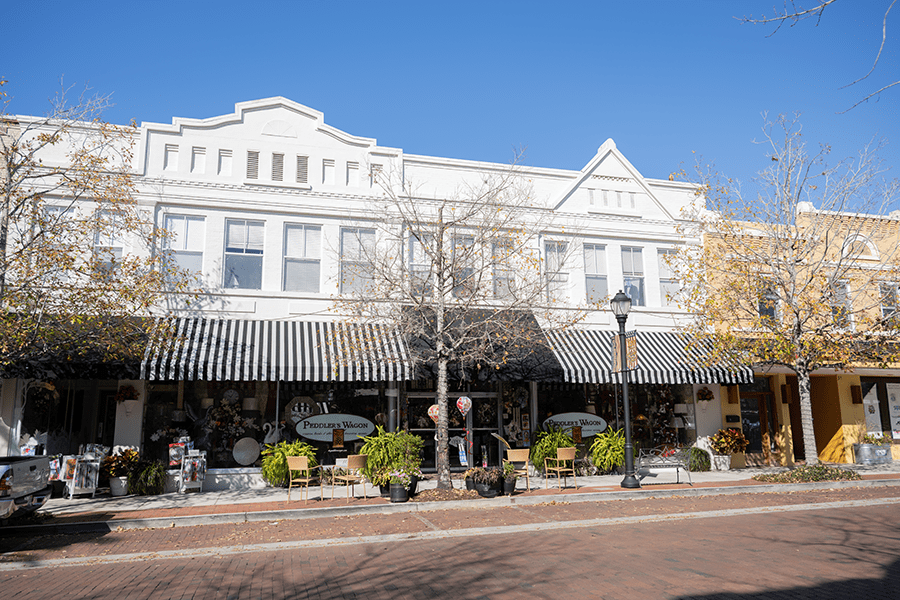
Peddler’s Wagon, a home décor, floral and gift store that has operated for more than 30 years, and Merry Jewelers, a full-service, family-run jeweler established in 1946, speak to the district’s longevity. Porter’s Cameras, Cards and Gifts, which dates back to the 1980s, adds to the mix with photography supplies, stationery and specialty gifts that feel increasingly rare in today’s retail landscape.
Other longtime businesses help define downtown’s identity, including Bay Pharmacy, Ace Hardware and the Bay Street Players, which performs at the historic State Theatre. Together, these businesses contribute to a downtown that still functions as a true neighborhood center rather than a curated shopping strip.
At the same time, new energy continues to flow in. Recent openings have introduced fresh flavors and concepts that draw new visitors while complementing the district’s existing character. Rosa Mezcal brings traditional Mexican cuisine downtown, while One Thirteen Coffeehouse has become a gathering place for coffee, pastries and casual meetups.
Restaurants like Magnolia Breeze, which blends Latin traditions with tropical influences, and shops like Pinesmoke Bee Co., specializing in local honey and beekeeping supplies, reflect a growing interest in artisan goods and locally rooted businesses.
Community events play a major role in downtown Eustis’ rhythm. The monthly First Friday Street Party held on the first Friday of each month transforms the area into a walkable celebration with rotating themes, live entertainment, family-friendly activities, food trucks and craft vendors.
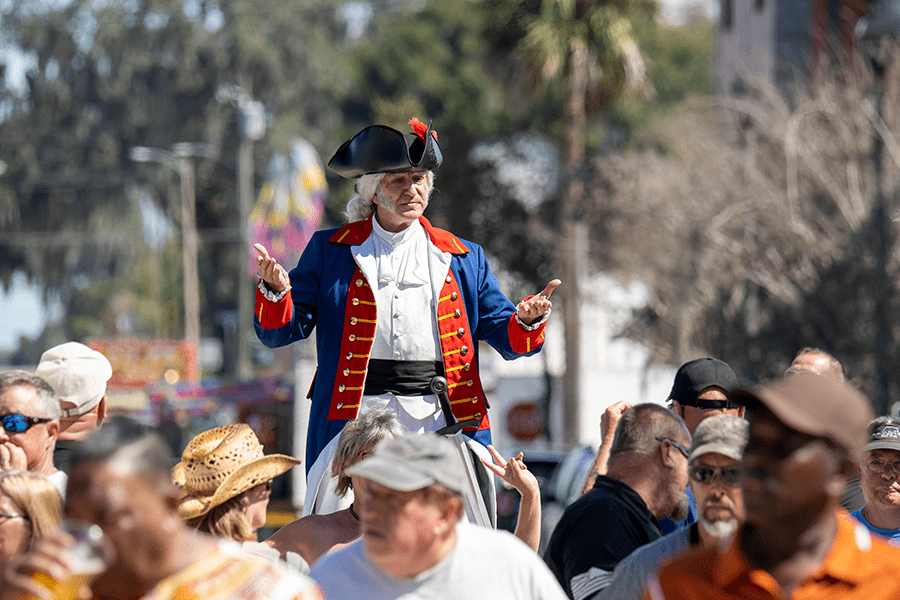
Portions of the city’s signature Georgefest celebration held each February also take place downtown, reinforcing the district’s role as a central gathering space. Many businesses extend that energy year-round by hosting craft nights, game nights, themed brunches and evening events that keep lights on after dark.
Anchoring the district is the Lake Eustis Area Chamber of Commerce, located downtown with views overlooking the waterfront. Its presence underscores the connection between local businesses, civic life and the city’s scenic setting along Lake Eustis.
Photos: Nicole Hamel, Cindy Peterson, Gina Horan, Roxanne Brown and Provided