

August 31, 2026
The Right Approach Can Help Calm MCAS Symptoms, Reduce Recurring Flares

By Akers Editorial
The Right Approach Can Help Calm MCAS Symptoms, Reduce Recurring Flares








Functional Medicine Expert
Gretta Ellis, FNP
Meet the Expert: Gretta Ellis, APRN, worked as an ER nurse, in hospice, palliative care, and family medicine before founding Ellis Integrative Family Practice in Tavares. She and her team are dedicated to preventative wellness and helping patients achieve long-term health.
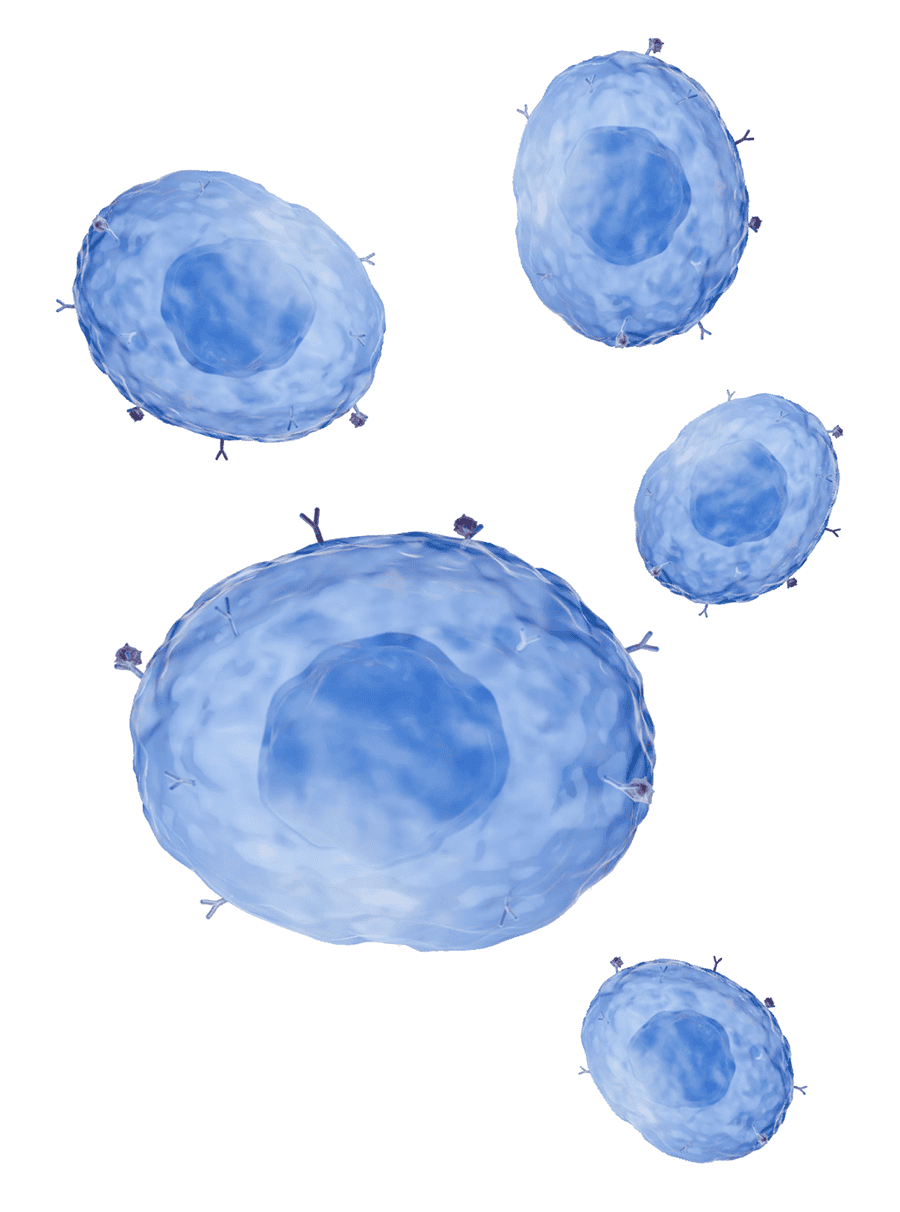
What is Mast Cell Activation Syndrome (MCAS)?
A: This is a condition in which mast cells—an important part of the immune system—become overly sensitive and release inflammatory chemicals, such as histamine, when they shouldn’t. Normally, mast cells help protect the body from infections, parasites, and injury. In people with MCAS, however, they overreact to triggers that are often harmless, leading to symptoms throughout the body.
Symptoms may include:
- Flushing
- Hives
- Itching
- Asthma
- Abdominal Pain
- Diarrhea
- Headaches
- Brain Fog
- Fatigue
- Dizziness
- Heart Palpitations
- Joint Pain
What causes mast cells to overreact?
A: There is no single cause of MCAS, and it is likely influenced by multiple factors. Genetics may make some individuals more susceptible, while chronic infections, allergies, autoimmune diseases, hormonal changes, environmental exposures (especially mold), and physical or emotional stress can contribute to mast cell activation. Some patients also have related conditions such as POTS, Ehlers-Danlos syndrome, or long COVID. Although triggers vary from person to person, the result is an immune system that reacts more strongly than necessary.
How is MCAS diagnosed?
A: There is no single test that confirms MCAS. Diagnosis is based on a combination of symptoms involving multiple body systems, laboratory evidence of mast cell mediator release, and improvement with treatments that stabilize mast cells. Blood tests, such as serum tryptase, and specialized urine tests for histamine and prostaglandin metabolites may be helpful, particularly when collected during a flare. Because many other conditions can mimic MCAS, a thorough evaluation is important to rule out other causes.
Can MCAS be treated successfully?
A: While there is currently no universal cure, many patients experience significant improvement with the right treatment plan. Management focuses on identifying and avoiding triggers, using medications that stabilize mast cells or block inflammatory mediators, and treating any underlying conditions that may contribute to immune dysfunction. Some patients achieve long-term remission if an underlying trigger can be addressed, while others require ongoing management to keep symptoms under control. With a personalized treatment approach, many individuals experience fewer flares and a greatly improved quality of life.

Ellis Integrative Family Practice
1865 Nightingale Lane, Suite B, Tavares | 352.508.5418 | ellisintegrative.com